As an Amazon Associate, we earn from qualifying purchases. Some links on this site are affiliate links at no extra cost to you. Our recommendations are based on thorough research and editorial judgment.

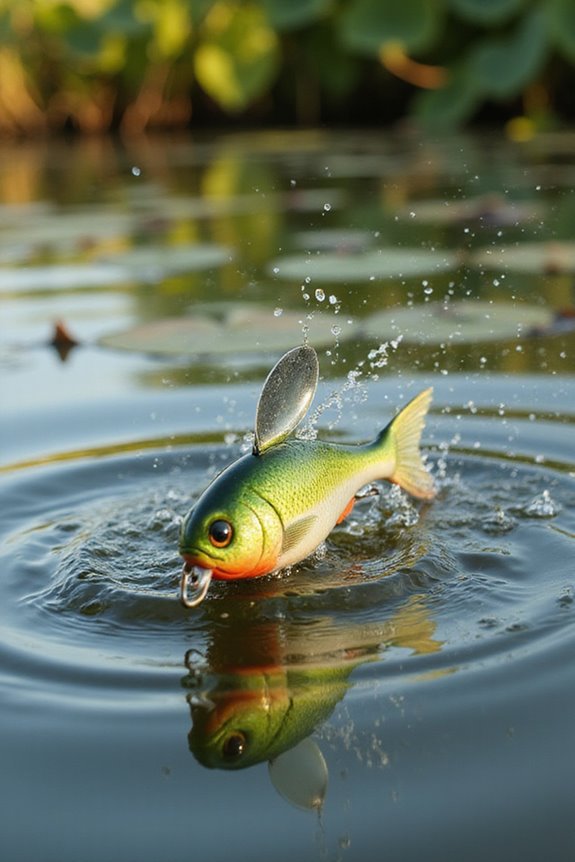
How to Fish With a Chatterbait: Technique Guide

To fish with a chatterbait, I start by choosing the right weight for water depth; 1/4 oz works well in shallow areas (2-3 feet), while 1/2 oz is better for deeper spots (6-7 feet). I use a medium-heavy rod with a fast action tip and 14-17 lb test braided line. I target isolated vegetation, retrieving slowly to maximize vibrations. Timing is critical, so I focus on pre-spawn periods. Keep following for more techniques on how to enhance your chatterbait effectiveness.
Key Takeaways
- Choose the right chatterbait weight based on water depth: 1/4 oz for shallow, 3/8 oz for mid-water, and 1/2 oz for deeper areas.
- Use varied retrieval techniques, such as fast retrieves or medium-paced “stop-and-go,” to adapt to fish behavior.
- Target isolated grass patches and mixed cover for higher bass concentrations, focusing on edges and irregularities in vegetation.
- Fish during pre-spawning in spring and shaded areas in summer, adjusting color and retrieve speed based on water clarity and conditions.
- Pair your chatterbait with a medium-heavy rod and a smooth reel, using 14-17 lb test line for optimal sensitivity and control.
Best Fishing Depths for Chatterbaits
You may be interested
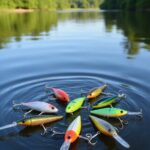

When fishing with chatterbaits, understanding the best depths is essential for success. I find that 1/4 oz chatterbaits are effective at shallow depths, working well from the surface down to about 2 to 3 feet. For mid-water fishing, the 3/8 oz chatterbaits excel at depths of 4 to 5 feet, especially near submerged vegetation or weed lines, where bass often hide. In deeper waters, switching to 1/2 oz chatterbaits allows targeting depths up to 6 or 7 feet, which can be beneficial during warmer months. I recommend focusing on these specific depths based on your chatterbait weight to keep your lure in the strike zone, maximizing your chances of a catch. Always match your lure to the conditions you encounter. Anglers can also use tungsten weights for enhanced sensitivity when fishing in challenging bottom structures that require better feel and fewer snags.
Recommended Products
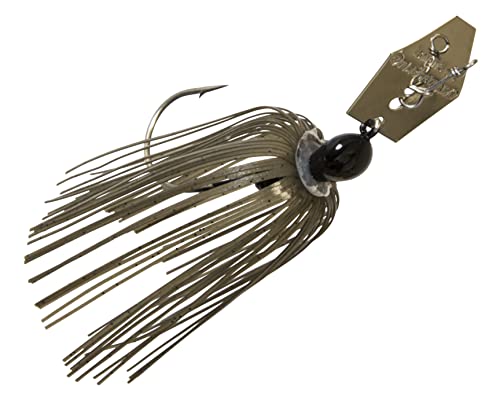
Flash of a spinnerbait, vibration of a crankbait, and profile of a jig combined in a single bait

FREE FISHER 5Pcs Bladed Jigs, Each Weight: 18.5g/0.65oz; Length: 10.5cm/4.13in. Diving Depth: Whole Swimming Layer.
Retrieval Techniques and Rod Positioning
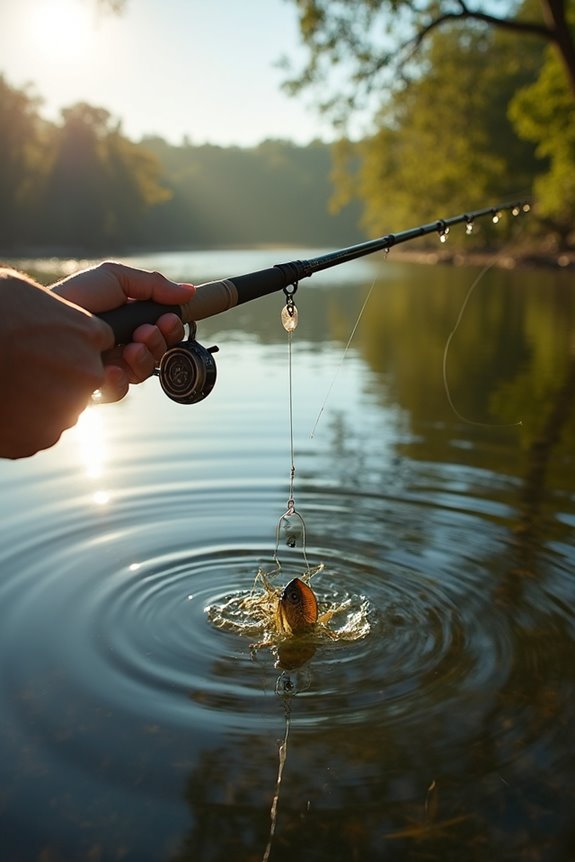
Retrieval techniques and rod positioning play an essential role in effectively fishing with a chatterbait. I often use retrieve variations to adapt to fish behavior. For instance, I alternate between fast retrieves and intermittent pauses to trigger strikes. When the water’s cooler, a medium-paced “stop-and-go” retrieve works best, creating erratic movement that mimics injured prey.
Rod angles also matter. I keep my rod tip low during steady retrieves to maintain contact with the chatterbait. For maneuvering through grass, I position the rod horizontally to pop the bait free when I feel resistance. During pauses, I hold the rod steady, allowing the chatterbait to fall naturally, which can entice nearby bass looking for an easy meal. Similar to spinnerbait fishing techniques, chatterbaits can be effective when retrieved shallow across the surface or crawled slowly along the bottom depending on water conditions.
Recommended Products

Bladed Jig Vibrating Action – The new MadBite by KastKing Bladed Jig assortment all have an irresistible vibrating action that is tournament proven to catch bass and a wide variety of fish throughout the year. Great in clear water or low visibility conditions. MadBite by KastKing Bladed Jigs can be use with or without soft plastic trailers to elicit strikes even in tough conditions when other baits just don’t work.

OUTSTANDING FISHING BAIT - The Zako fishing swimbait, designed exclusively for Yamamoto by B.A.S.S. Elite Series Pro Brett Hite, as his go-to chatterbait and jig trailer; the tight action of the tail perfectly mimics a bluegill

UNLEASH THE ULTIMATE BASS ATTRACTION:Engineered for relentless action, our CWSDXM bladed jig features a high-vibration blade that creates an irresistible combination of sound and flash. This aggressive wobble and loud clicking noise mimics distressed baitfish, triggering explosive reaction strikes from predatory bass. It's not just a lure; it's a complete underwater triggering system designed to call bass in from a distance and make them commit.
Fishing Around Vegetation and Structure
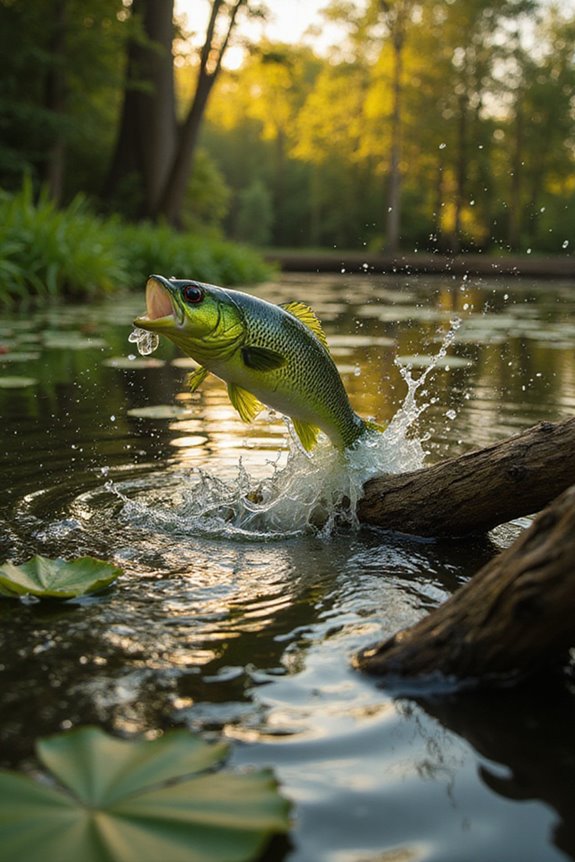
Fishing around vegetation and structure can greatly increase your chances of landing bass. I often target isolated patches of grass, as these serve as effective ambush points for feeding bass. When fishing these areas, I make sure to retrieve my chatterbait slowly and steadily, keeping it in the mid-water column (3-6 ft) to maximize vibrations. I focus on mixed cover, where grass meets wood or rock, as these spots can hold more fish. Using side scan sonar helps me identify edges and irregularities in the vegetation, revealing prime strike zones. I cast toward the edges of these structures, allowing the lure to sink before retrieving, and I adjust my speed based on the bass’s reaction to provoke bites effectively. Having the right fishing lure kit with a variety of options like bladed jigs can help you adapt to different vegetation conditions throughout the seasons.
Recommended Products

Attractive Versatile Bladed Jig:UNLEASH THE ULTIMATE BASS ATTRACTION:The bladed jig features a high-vibration blade, triggering aggressive wobble and loud clicking noise, drawing fish in and increasing strike chances
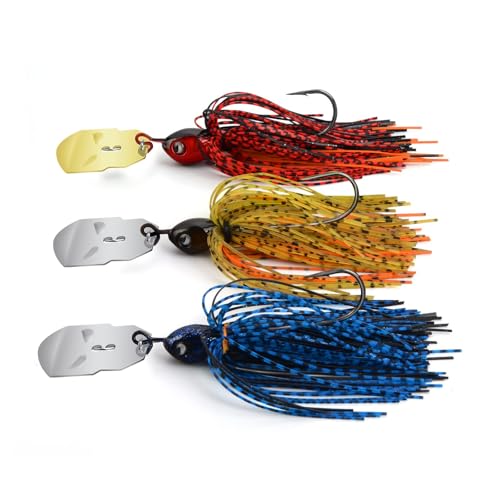
Bladed Jig Vibrating Action – The new MadBite by KastKing Bladed Jig assortment all have an irresistible vibrating action that is tournament proven to catch bass and a wide variety of fish throughout the year. Great in clear water or low visibility conditions. MadBite by KastKing Bladed Jigs can be use with or without soft plastic trailers to elicit strikes even in tough conditions when other baits just don’t work.
Timing and Seasonal Considerations
Understanding the timing and seasonal patterns of bass can greatly enhance your success with a chatterbait. During the spring, I focus on pre-spawning periods when water temperatures approach 70°F. This is prime time for shad spawning, so fishing around docks and shallow flats is effective. I use darker colors in stained water and switch to more natural shades as conditions improve. In summer, I target shaded areas and retrieve slowly in the mid-water column. Fall brings aggressive feeding, especially in the mornings and evenings, so I opt for faster retrieves near the surface. Weather effects also play a role; overcast days can extend feeding times, while clearer conditions necessitate subtle color schemes to avoid spooking fish.
Recommended Products
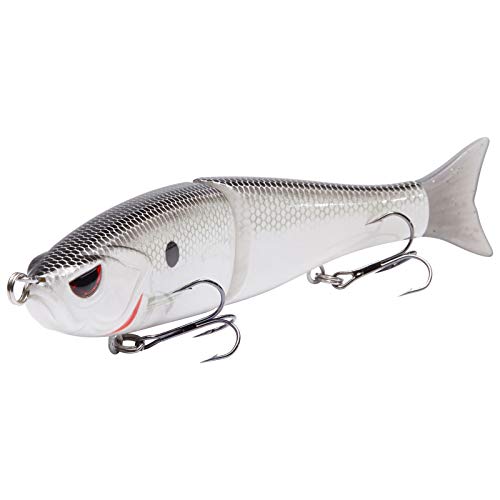
As a slow sinking bait, the bait can be used to attack the entire water column; Single-jointed construction gives it a remarkable swimming motion

STRONG VIBRATION: A hex-shaped blade kicks out a tight, thumping vibration and flash that mimics fleeing baitfish, drawing reaction strikes from bass, pike, walleye, and muskie in any water

OUTSTANDING FISHING BAIT - The Zako fishing swimbait, designed exclusively for Yamamoto by B.A.S.S. Elite Series Pro Brett Hite, as his go-to chatterbait and jig trailer; the tight action of the tail perfectly mimics a bluegill
Chatterbait Setup and Trailer Tips
When setting up a chatterbait, selecting the right rod and reel is essential for achieving ideal performance. I recommend a medium-heavy rod with a fast action tip, as it maximizes sensitivity and control. Pair it with a reel that has a smooth drag and a gear ratio between 6.3:1 and 7.1:1. Using 14-17 lb test braided or fluorocarbon line enhances vibration sensitivity.
For trailer selection, match the trailer size and profile to local forage. Opt for soft plastics with appendages that add movement. Verify the trailer is straight on the hook to maintain its action. During retrieval, keep the rod tip down, maintain line tension, and experiment with variable retrieves to trigger bites effectively.
Recommended Products

OUTSTANDING FISHING BAIT - The Zako fishing swimbait, designed exclusively for Yamamoto by B.A.S.S. Elite Series Pro Brett Hite, as his go-to chatterbait and jig trailer; the tight action of the tail perfectly mimics a bluegill

OUTSTANDING FISHING BAIT - The Zako fishing swimbait, designed exclusively for Yamamoto by B.A.S.S. Elite Series Pro Brett Hite, as his go-to chatterbait and jig trailer; the tight action of the tail perfectly mimics a bluegill

OUTSTANDING FISHING BAIT - The Zako fishing swimbait, designed exclusively for Yamamoto by B.A.S.S. Elite Series Pro Brett Hite, as his go-to chatterbait and jig trailer; the tight action of the tail perfectly mimics a bluegill
Advantages and Sensory Appeal of Chatterbaits
Chatterbaits offer numerous advantages that can enhance your fishing experience, especially in various conditions and environments. Their vibration effectiveness draws bass from hiding spots, making them ideal for diverse habitats like heavy cover, grass fields, and docks. The vibrating blade produces strong water movement, creating sensory stimulation that bass detect through their lateral line. This feature is particularly useful in pressured waters, where traditional baits often fail. I’ve found that faster retrieval increases the blade’s vibration frequency, effectively attracting bass in submerged cover. Using braided line improves sensitivity, allowing me to feel even the slightest swipes. Overall, chatterbaits adapt well to different fishing situations, making them a reliable choice for anglers of all experience levels.
Frequently Asked Questions
What Rod and Reel Setup Is Best for Fishing With a Chatterbait?
When I’m fishing with a chatterbait, I prefer a medium-heavy rod around 7′ and a 7:1 gear ratio reel. This combo offers the best rod and reel selection for effective casting and hook-setting.
Can Chatterbaits Be Used in Saltwater Fishing?
You could say I’m all about that chatterbait versatility! Yes, I’ve had success using them in saltwater. With the right saltwater tactics, those lures attract all sorts of fish, even in murky waters.
How Do Weather Conditions Affect Chatterbait Fishing Success?
When I fish with chatterbaits, I’ve noticed temperature fluctuations can impact bass behavior. Wind effects also stir up activity, making my chatterbait more effective. Adjusting my technique based on these conditions has really improved my success.
What Line Type Is Recommended for Chatterbait Fishing?
I know some might think braid’s strength is all that matters, but I prefer fluorocarbon’s benefits for sensitivity and stealth. It balances perfectly for chatterbait fishing, especially in clearer waters where finesse counts.
How Do I Retrieve a Chatterbait in Heavy Cover?
When I retrieve a chatterbait in heavy cover, I use steady medium retrieves and stop-and-go techniques. These heavy cover strategies keep the lure moving and trigger strikes from lurking bass hiding in the vegetation.