As an Amazon Associate, we earn from qualifying purchases. Some links on this site are affiliate links at no extra cost to you. Our recommendations are based on thorough research and editorial judgment.

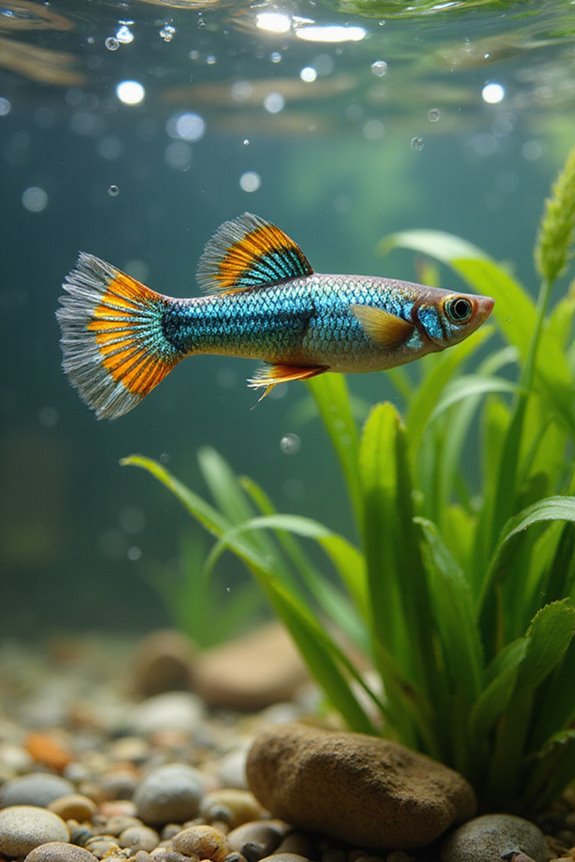
Guppy Fish Lifespan: How Long Do Guppies Live?

Guppies typically live between 2 to 3 years with proper care, but they can survive up to 5 years in ideal conditions. To guarantee longevity, maintain a tank of at least 5 gallons with stable water quality and a pH of 7.0 or higher. Use high-quality filters and provide a balanced diet rich in proteins and micronutrients. Avoid overcrowding and maintain a stable temperature range of 76°F to 78°F for best health. You can learn about factors that influence their lifespan next.
Key Takeaways
- Guppies typically live for 2 to 3 years with proper care but can reach up to 5 years under ideal conditions.
- Males usually have shorter lifespans compared to females due to genetic and environmental factors.
- Maintaining good water quality and stable pH levels is essential for increasing guppy longevity.
- A minimum tank size of 5 gallons and low population density help reduce stress and promote longer life.
- A balanced diet rich in proteins and nutrients significantly supports guppy health and lifespan.
Average Lifespan of Guppies
You may be interested
When you consider the average lifespan of guppies, it’s essential to recognize that these vibrant fish typically live between 2 to 3 years with proper care. In my experience, ensuring ideal conditions can lead to a lifespan of up to 5 years, though that’s not common. Breeding strategies also play a role, as males often have shorter lifespans than females due to their more active behavior and stress levels. Environmental stressors, like poor water quality and overcrowding, can greatly reduce their lifespan. For better longevity, I recommend maintaining a tank of at least 5 gallons, with stable water parameters, and providing a balanced omnivorous diet. Regular maintenance is key to keeping these colorful fish thriving. Similar to fishing with barometric pressure readings, monitoring environmental conditions closely can significantly impact the health and lifespan of your aquarium inhabitants.
Influencing Factors on Lifespan
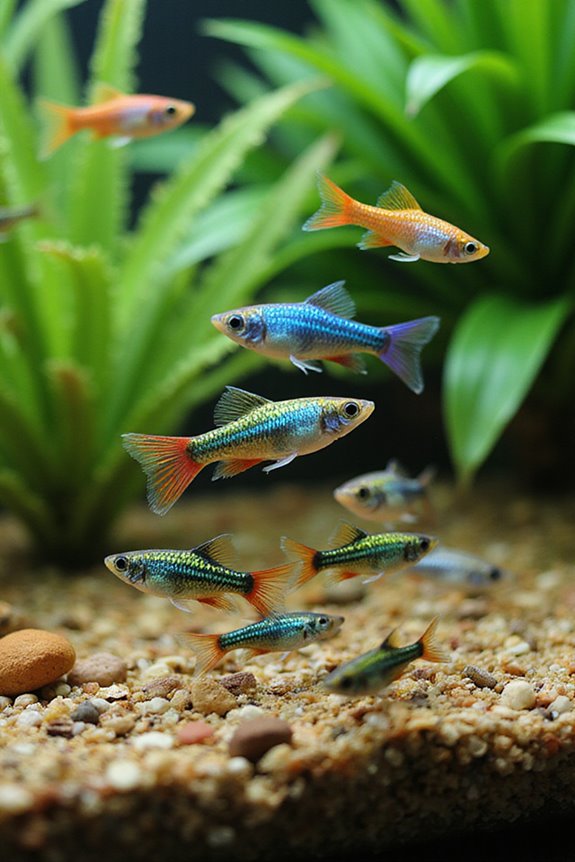
Understanding the various factors that influence guppy lifespan is vital for any enthusiast aiming to keep these lively fish healthy. Genetic factors play a considerable role, with selective breeding practices often resulting in shorter lifespans, sometimes as low as 6-12 months. I’ve noticed that poor water quality and environmental stressors, like fluctuating pH levels, can also dramatically reduce their lifespan. To combat this, I recommend investing in a reliable filter and conducting regular water changes to maintain ideal conditions. Additionally, a balanced diet rich in proteins and nutrients is essential. Keeping population density low can help reduce stress, ensuring your guppies thrive longer. Having a weather-resistant radio can provide crucial information about power outages that might affect your aquarium equipment during emergencies. By paying attention to these factors, you can greatly enhance their chances of living a healthy life.
Habitat Requirements for Longevity
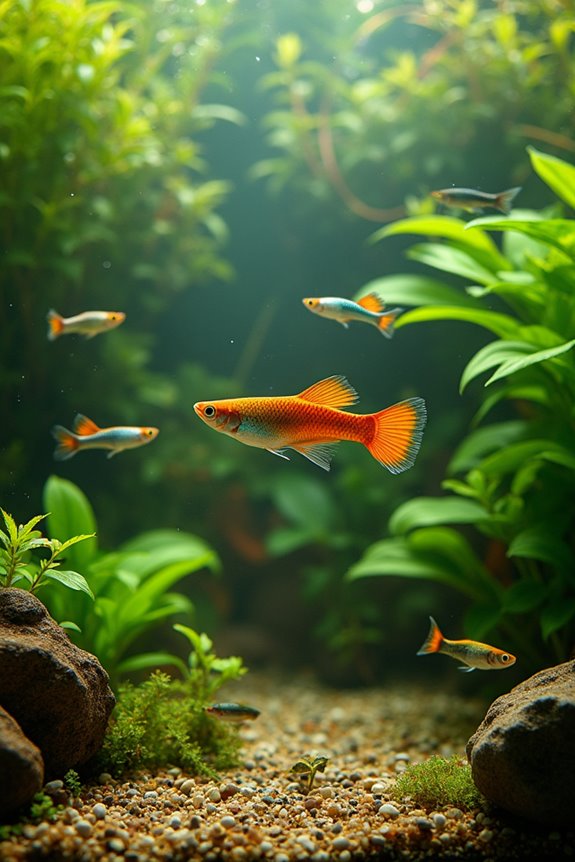
To guarantee guppies live their longest and healthiest lives, it’s important to create an ideal habitat that meets their specific needs. Start with maintaining stable water chemistry; aim for a pH level of 7.0 or higher and secure water hardness through mineral supplements like Wonder Shell. Use a quality filtration system to keep the tank environment clean, and perform regular water changes to prevent toxic buildup.
Temperature is significant too; maintain it between 76°F and 78°F for the best lifespan. A minimum tank size of 5 gallons is necessary for a single guppy, with larger tanks promoting natural behaviors. Finally, choose peaceful tank mates and avoid overcrowding to reduce stress, which is crucial for extending your guppies’ lifespan. Consider installing an automatic fish feeder to maintain consistent feeding schedules when you’re away, as irregular feeding can negatively impact guppy health.
Recommended Products

Contains one (1) API TAP WATER CONDITIONER Aquarium Water Conditioner 4-Ounce Bottle

Contains one (1) API TAP WATER CONDITIONER Aquarium Water Conditioner 16-Ounce Bottle
Growth and Maturity
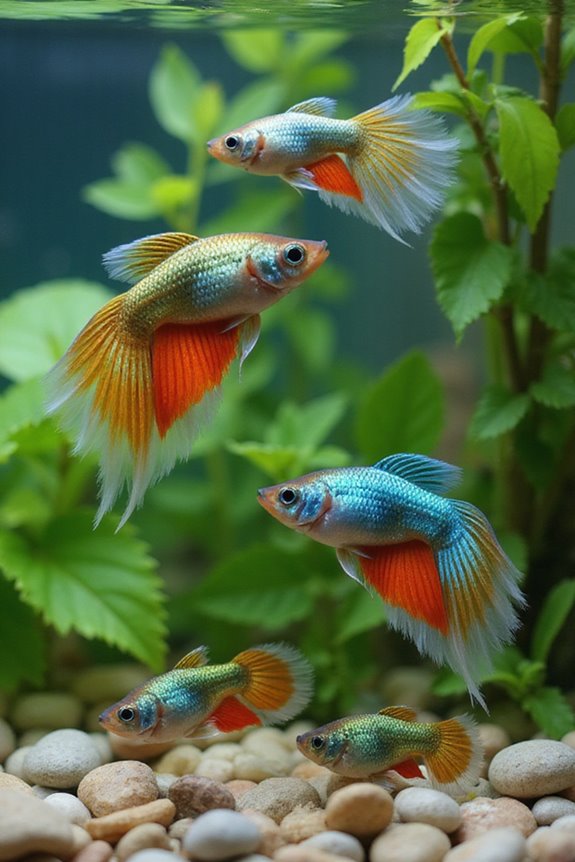
How does the growth and maturity of guppies unfold from their early stages to adulthood? The journey begins with fry development, where newly born guppies, about 0.6 cm long and mostly transparent, are highly vulnerable. They thrive on small food particles, so I crush commercial fish food for them. By four weeks, juvenile characteristics emerge, as their body shapes and fins become more defined. You’ll notice sexual dimorphism, with males developing a gonopodium and females displaying a gravid spot. Around six to eight weeks, they reach sexual maturity and can breed. It’s essential to maintain good water quality and provide balanced nutrition during these stages to support healthy growth and avoid deformities, setting the foundation for a thriving adult guppy population.
Care and Maintenance
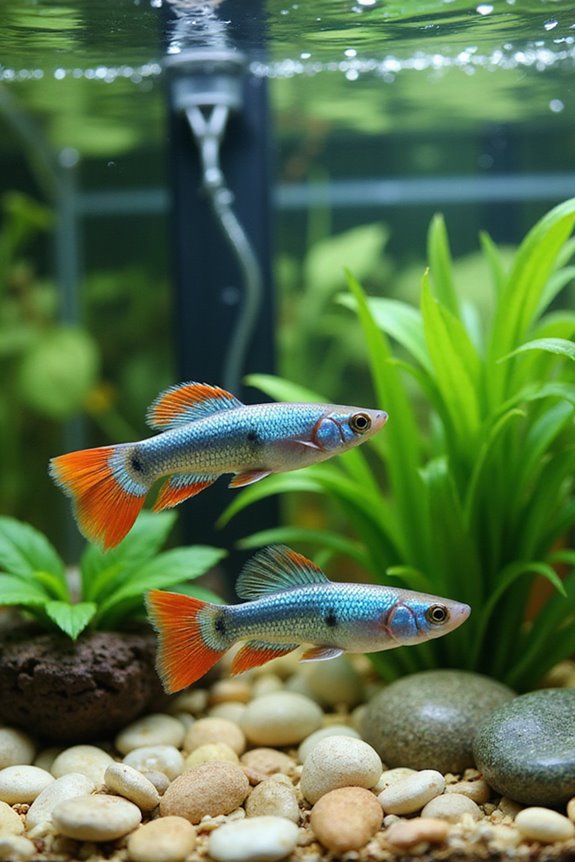
Maintaining a healthy environment for guppies involves several key practices that guarantee their well-being and longevity. First, I keep the water temperature between 72°F and 82°F, avoiding fluctuations greater than 2°F. Routine water changes of 10–25% every 2 to 4 weeks help maintain water quality without disrupting beneficial bacteria. I also remove uneaten food daily using a fine mesh net to prevent waste buildup. Monthly tank maintenance includes a thorough cleaning to avoid algae. For ideal tank setup, I ascertain adequate filtration and gentle water flow, while adding plants and hiding spots to reduce stress. Finally, I monitor equipment daily to confirm consistent conditions, providing a stable environment for my guppies.
Recommended Products

Aquarium Starter Kit: This 2.4 gallon fish tank comes with a full set of aquarium equipment, including a 3-in-1 water pump, 75W heater, three decorative aquatic plants, reusable filter sponges, and easy-to-follow instructions. A great choice for beginners, fish-keeping enthusiasts, and home aquarium lovers

★10 Watt Aquarium Heater: Temperature range is 59-93°F, for small glass or acrylic aquariums up 1 to 5 gallons, can be used for both fresh and marine water, ideal for fish tanks and turtle tanks. Please choose the right wattage aquarium heater according to our size chart
Lifespan Comparison: Wild Vs Captive
When comparing the lifespan of guppies in wild versus captive environments, it’s clear that various factors greatly impact their longevity. Wild guppies generally live around 2 to 3 years due to harsh conditions, including predators and environmental instability. In contrast, captive guppies can thrive with proper care, often living 2 to 5 years, and sometimes even beyond 5 years, especially if they are virgin females. Captive care notably reduces stress by providing stable water conditions and eliminating threats from predators. To maximize lifespan, maintain water temperatures between 76–82°F and guarantee good water quality. The difference in wild survival versus the safer confines of captivity highlights how care and environment can drastically influence guppy longevity.
Recommended Products

【DaToo D1 Aquarium Heater】: In the cold winter, what do we want most? The answer must be warm temperature, and so is our lovely fish. A warm water temperature can make our pet fish feel happy and full of vitality, it will like to swim around. How can we get a warm temperature? Don't worry, DaToo D1 aquarium heater can easily bring warm temperature to your beloved fish, so that this winter will no longer be cold!

Importance of Diet for Lifespan
Diet plays a significant role in determining the lifespan of guppies, especially in comparison to the environmental factors discussed earlier. A balanced diet, rich in protein, fats, and carbohydrates, is essential for their health. I recommend high-quality commercial fish foods specifically formulated for guppies, as they support longevity by ensuring nutrient absorption. Incorporating live and frozen foods can mimic natural feeding habits, enhancing dietary diversity and overall wellness. It’s important to supplement with micronutrients and vitamins, which bolster immune function and well-being. A varied diet prevents deficiencies, keeping guppies energetic and healthy. Regular, moderate feeding practices help maintain water quality and prevent overfeeding, contributing to a longer life for your guppies. Prioritize quality to see the benefits.
Signs of Aging in Guppies
How can you tell if your guppy is aging? There are several aging indicators to watch for. First, you might notice a loss of their vibrant coloration, with skin appearing dull or discolored. Behavioral changes can also signal aging; older guppies tend to be less active, spending more time hiding or resting at the bottom of the tank. If your guppy shows decreased interest in food or erratic swimming movements, these are signs of advanced age. Clamped fins and swollen abdomens may indicate stress or health issues. Keeping an eye on these signs helps guarantee you provide the appropriate care, especially in their later days, as they may require a quieter environment to thrive.
Frequently Asked Questions
Can Guppies Live Together With Other Fish Species?
Absolutely, guppies can thrive with other fish species! Just guarantee they’re compatible tank mates to avoid any compatibility issues. I’ve found peaceful fish, like tetras or platies, work best alongside my guppies.
How Do I Know if My Guppy Is Sick?
Isn’t it ironic how we often overlook our guppies’ well-being? By observing symptom identification and changes in fish behavior, like lethargy or unusual swimming, I can quickly spot if my guppy isn’t feeling well.
Do Guppies Require Special Lighting Conditions?
I’ve found that guppies do need specific lighting requirements for their aquarium setup. A consistent light schedule and moderate intensity not only enhance their colors but also promote their overall health and comfort in the tank.
What Are Common Diseases That Affect Guppies?
When caring for guppies, I’ve noticed common diseases like fin rot and swim bladder disorder. Keeping their environment clean and stress-free really helps prevent these issues, ensuring my guppies stay healthy and vibrant.
Can Guppies Breed Continuously Throughout Their Lifespan?
Did you know a female guppy can produce large fry every 3-4 weeks? Their breeding habits depend on lifespan factors, but with the right conditions, they can breed continuously throughout their lives, making them fascinating pets.