As an Amazon Associate, we earn from qualifying purchases. Some links on this site are affiliate links at no extra cost to you. Our recommendations are based on thorough research and editorial judgment.

How Many Fish Are There in the World? 2026 Estimate

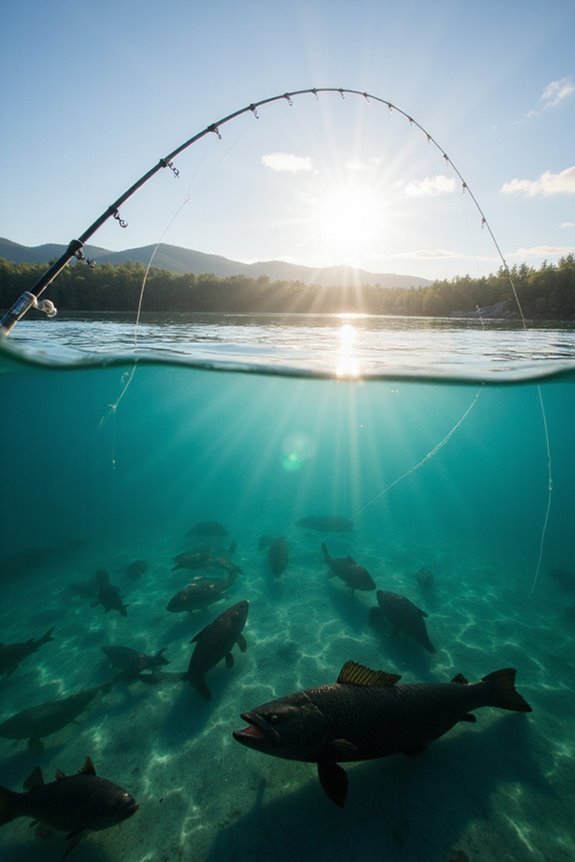
Estimating the total number of fish in the world remains complex. Current assessments suggest millions of fish species exist, with over 5,000 found in rich habitats like Australia’s Great Barrier Reef and Indonesia’s Coral Triangle. However, various factors, including overfishing and climate change, impact these populations. Effective monitoring, using methods like mark-recapture and acoustic assessments, is essential for accuracy. If you’re curious about sustainable practices and their role in fish populations, there’s much more to uncover.
Key Takeaways
- Estimating global fish populations is complex due to varying biotic and abiotic factors affecting fish distribution and reproduction.
- Many models currently overestimate fish populations by approximately 11.5%, highlighting the need for improved methodologies.
- Accurate fish population estimates require long-term data collection and standardized methods, which are often lacking.
- Geographic data gaps and localized studies complicate global assessments of fish stocks and sustainability.
- Approximately 34% of assessed fish stocks are overfished, emphasizing the importance of sustainable fishing practices.
The Complexity of Estimating Global Fish Populations
You may be interested

Estimating global fish populations is a complex task, especially since various factors influence fish dynamics. I’ve learned that population dynamics involve both biotic factors, like reproduction and predation, and abiotic factors, such as water temperature and habitat changes. To accurately model these populations, long-term data collection using standardized methods is imperative. I often rely on mathematical models that integrate catch data and biological information to get a clearer picture of trends. Techniques like mark-recapture and acoustic assessments help estimate numbers across vast marine environments. However, variability in reproduction rates and sampling errors can complicate these predictions. One significant factor affecting fish behavior and population estimates is barometric pressure changes, which can influence when fish are more active and likely to feed. Ultimately, understanding ecological modeling is vital for anyone interested in fish population estimates, ensuring we grasp the dynamic nature of fish populations.
Diversity of Fish Species and Their Habitats
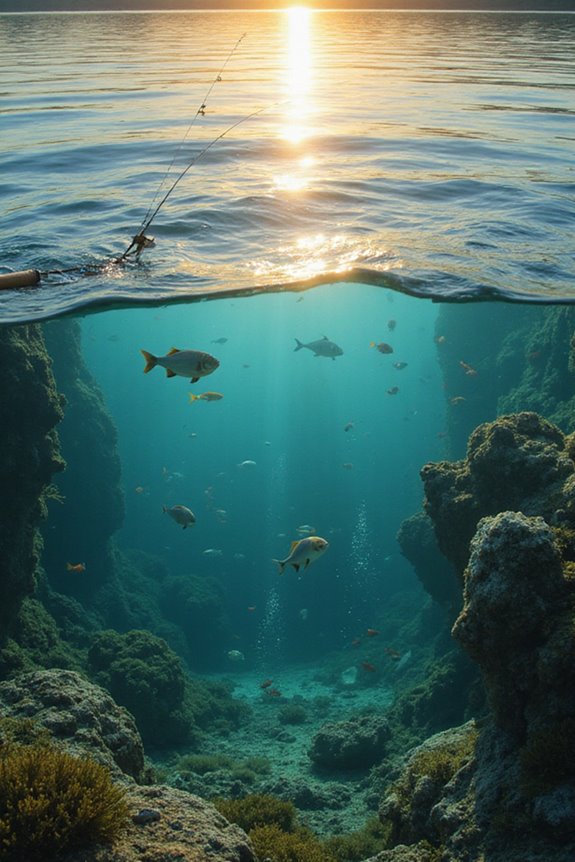
When exploring the diversity of fish species and their habitats, it is essential to recognize the vast array of environments that support different fish populations. Australia, with its Great Barrier Reef, boasts over 5,189 species, while Indonesia’s Coral Triangle houses around 5,014. Freshwater habitats, like the Amazon River, provide niches for specialized species, contributing to ecological functions such as nutrient cycling. Significantly, tropical coral reefs are some of the richest habitat types globally. When fishing, understanding these diverse environments can enhance your success. Equipment like deep-sea rods for marine fishing or lightweight tackle for river fishing can make a difference. Always consider the habitat type you’re targeting to optimize your fishing technique and gear choice. Creating fish habitat structures can significantly enhance aquatic environments by attracting species like bass, crappie, and catfish while promoting biodiversity.
Limitations of Current Fish Population Surveys
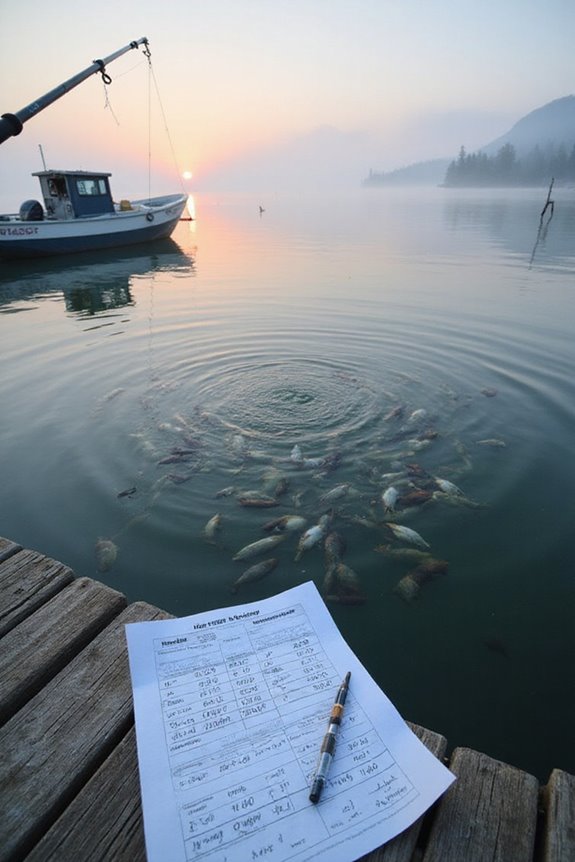
Limitations in current fish population surveys greatly impact our understanding of global fish stocks. Geographic gaps in data collection exist, especially in Asian, African, and Latin American fisheries. As a result, many models overestimate fish populations, often by 11.5%. Traditional techniques like catch surveys are costly and impractical for small-scale fisheries. Additionally, fish are mobile, making accurate counting difficult. In addition, transboundary waters complicate data collection, as fish populations cross national borders with varied monitoring efforts. High seas data is sparse, adding uncertainty to population modeling. Localized studies provide useful snapshots, but they lack scalability for global assessments. These challenges highlight the need for improved monitoring and cooperation across regions to enhance our understanding of fish populations. Modern saltwater fishing reels incorporate advanced technologies like IPX5 water resistance and corrosion-resistant materials to assist researchers in collecting more reliable data in harsh marine environments.
Factors Affecting Fish Populations
Understanding the factors affecting fish populations is essential for both conservation and sustainable fishing practices. Overfishing remains a significant challenge, with approximately 34% of assessed global fish stocks overfished. Effective fishing regulations are vital to guarantee that we don’t exceed sustainable limits. Habitat conservation plays a key role in maintaining healthy ecosystems; polluted waters and nutrient runoff degrade spawning grounds and reduce fish populations. Climate change also shifts fish migratory routes and alters species interactions, complicating management efforts. As a responsible angler, supporting initiatives that promote sustainable practices and advocating for stricter regulations can help mitigate these pressures. By prioritizing habitat conservation and adhering to fishing regulations, we can work together to protect fish populations for future generations.
Overview of Global Fish Stock Assessments
Global fish stock assessments play an essential role in managing and sustaining fisheries worldwide. These assessments evaluate fish demographics, helping us understand the population dynamics of different species. By estimating stock size and harvest rates, they provide critical data for sustainable fishing practices. Regular global assessments inform fisheries management decisions, ensuring conservation efforts align with harvest objectives. Various methods, like catch-only and biomass dynamics models, are utilized to analyze trends and forecast responses to management changes. Additionally, combining fishery-dependent and independent data improves accuracy. However, challenges like data gaps and model uncertainties can complicate evaluations. Collaborative initiatives, such as those led by the International Council for the Exploration of the Sea (ICES), aim to enhance these assessments for better resource management.
Recommended Products


The Impact of Overfishing on Fish Stocks
Overfishing greatly impacts fish stocks, creating a ripple effect through marine ecosystems and local economies. Approximately 35% of global fish stocks are overfished, leading to significant declines in populations like sharks and tuna. The overfishing consequences stretch beyond depletion; they disrupt marine biodiversity by removing key predators, which can cause imbalances in food webs. In regions like the Mediterranean and West Africa, illegal fishing practices worsen these challenges, making sustainable management even more critical. Coastal areas, rich in diverse species, suffer disproportionately due to high local reliance on fishing. To combat these issues, effective regulations and enforcement are essential. We must prioritize sustainable practices to safeguard our oceans and the livelihoods that depend on them.
Recommended Products


Used Book in Good Condition
Trends in Fisheries and Aquaculture Production
Fish stocks aren’t just declining due to overfishing; they also face pressures from changing production trends in fisheries and aquaculture. Aquaculture innovations are transforming fish farming, with species like Atlantic salmon, pangasius, and tilapia seeing significant growth. Norway leads in salmon production, while shrimp aquaculture is expanding more slowly due to price challenges. The global aquaculture market is projected to grow substantially, driven by rising demand for aquatic products. Effective fisheries management becomes vital as we balance wild-caught fish and farmed species. Monitoring environmental factors, such as water quality and disease management, is essential for sustaining production levels. As these trends evolve, understanding them helps us appreciate the future of our fish stocks.
Recommended Products

17 IMPORTANT PARAMETERS: The Varify Premium Drinking Water Test Kit offers an unrivaled, complete analysis of your drinking water by testing for 17 essential parameters. This includes crucial tests for chlorine, fluoride, lead, iron, bacteria, and more, ensuring that you're fully informed about the quality of your water. With this extensive range of testing capabilities, you can detect contaminants and imbalances that could affect your health, providing a holistic view of your water's safety.

Test dissolved oxygen level in water

Reliable Brand: MEXYBE was founded with a simple yet important mission: to provide everyone with a accurate and reliable way to test their water quality. We believe that access to clean and safe drinking water is a basic human right, and our tds meter digital water tester is one professional way that can help people achieve that. We are committed to providing high-quality products and excellent customer service. Join us in our mission to make clean and safe water accessible to everyone
Importance of Sustainable Fishing Practices
Sustainable fishing practices play an important role in maintaining healthy fish populations and protecting marine ecosystems. By preventing overfishing, these methods guarantee that fish populations remain stable for future generations. I’ve learned that implementing sustainable fishing techniques, like using circle hooks and reducing bycatch, can greatly help the environment. It’s vital to choose fishing locations wisely, targeting areas where fish recover, such as marine protected zones. Additionally, using nets designed to minimize habitat destruction contributes to healthier marine ecosystems. Education about sustainable practices can empower local fishermen, enabling them to maintain their livelihoods while supporting biodiversity. Ultimately, if we embrace sustainable fishing, we can enjoy a consistent seafood supply and protect our oceans for years to come.
Recommended Products

3 Fingertip Open Design - Our fishing gloves retain manoeuvrability and dexterity of your hands to easily change hooks and baits. This special fish glove permits you to expose only finger tips and not your whole hand to cold weather, and allows you to use touch screen phones without taking off your gloves.

Top-Quality Fishing Shirts for Men: Elevate your angling gear with our meticulously crafted fishing shirts for men. Engineered for performance and sustainability, these long sleeve fishing shirts offer top-tier UPF protection, making them ideal UV shirts for men during long hours outdoors.

The Role of Fish in Global Food Security
The significance of fish in global food security cannot be overstated. Fish provide essential nutrition, offering high-quality protein and important omega-3 fatty acids. In 2021, global fish consumption reached 162.5 million tonnes, with Asia-Pacific countries leading in both production and consumption. Aquaculture, responsible for over half of this supply, reflects a shift toward sustainable farming practices to meet rising demand. The fish trade plays an essential role, allowing for the distribution of fish products worldwide and supporting local economies. Countries that rely on small-scale fisheries benefit from affordable protein sources, improving food access for vulnerable populations. Investing in sustainable practices guarantees that fish can continue to support global food security amid the challenges posed by climate change.
Future Projections for Fish Populations and Fisheries
As global demand for seafood continues to rise, projections indicate that fish populations and fisheries will undergo significant changes in the coming decades. By 2032, global fisheries and aquaculture production is expected to increase to 205 million tonnes, driven largely by aquaculture expansion. While capture fisheries may stagnate, fish population dynamics will shift as marine aquaculture nearly doubles. Sustainable fisheries management strategies will be vital to balance increased seafood demand with environmental sustainability. Innovations in aquaculture practices will guarantee that we meet rising per capita consumption, particularly in regions like Southeast Asia. However, we must remain vigilant against overfishing and habitat degradation. Keeping fish stocks healthy is essential for future generations’ access to seafood.
Recommended Products

Clear Range: This house water testing kit offers clear, easy to read results and acceptable ranges for all substances. The water contaminant tester delivers clear results on any type of water

Professional Quality Testing Kit: The AAwipes Aquarium test kit (50 strips) is developed by experts for fish enthusiasts. It offers 8-in-1 testing capabilities, made with high-quality fiber paper and non-bleeding colors. The kit measures key parameters like Free Chlorine, Nitrate, Nitrite, Hardness, Sodium Chloride, Total Alkalinity, pH and Ammonia nitrogen. By identifying potential issues, our fish tank testing kit helps prevent hidden water problems and ensures the safety and well-being of your fish.

Test the free chlorine level in water
Frequently Asked Questions
How Do Scientists Estimate Fish Populations Worldwide?
Estimating fish populations worldwide involves studying fish behavior and population dynamics. I observe catch data, apply mark-and-recapture techniques, and use statistical models to understand their numbers, ensuring sustainable management for future generations.
What Technologies Are Used in Fish Population Assessments?
In fish population assessments, I’ve seen sonar technology, genetic analysis, remote sensing, and acoustic surveys used effectively. These technologies help gather accurate data, ensuring we comprehend fish populations and manage them sustainably for the future.
Are Some Fish Species More Difficult to Count Than Others?
Absolutely, I’ve found some fish species, particularly endangered ones, are harder to count. Habitat destruction complicates their detection, making it challenging to assess their populations accurately. It’s a concerning issue for conservation efforts.
How Do Fish Populations Vary by Region?
Fish populations vary by region like colors in a vibrant painting. Different fish habitats create rich regional diversity, influenced by ecological factors, while population dynamics shift due to overfishing, pollution, and climate change challenges.
What Role Do Citizen Scientists Play in Fish Population Studies?
Citizen scientists play a vital role in fish population studies through active citizen engagement and data collection. Their contributions enhance the data quality, filling gaps in remote areas and providing real-time insights into fish behavior.