As an Amazon Associate, we earn from qualifying purchases. Some links on this site are affiliate links at no extra cost to you. Our recommendations are based on thorough research and editorial judgment.

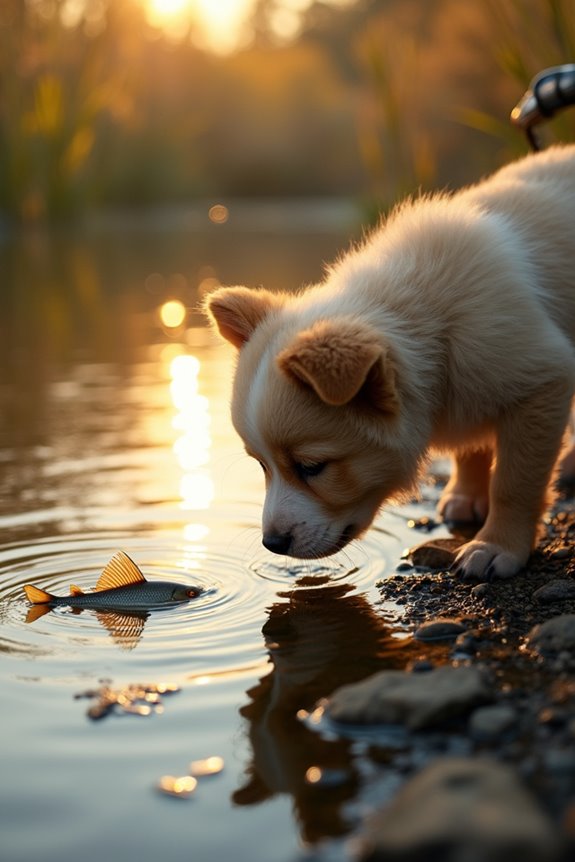
Why Does My Puppy Smell Like Fish? Causes and Solutions

If your puppy smells like fish, it could be due to anal gland issues, urinary tract infections, dental disease, skin infections, or reproductive infections. Check for signs like scooting, frequent urination, bad breath, or skin redness. To address anal gland problems, keep your puppy’s diet high in fiber to promote firm stools. For dental care, use dog-safe toothpaste and dental chews. It’s wise to consult your vet for treatment options tailored to your puppy’s specific condition. Discover more solutions to these issues.
Key Takeaways
- A fishy odor may indicate anal gland issues, often requiring manual expression or dietary adjustments for firm stools.
- Urinary tract infections (UTIs) can cause a foul, fishy smell; symptoms include frequent urination and possible blood in the urine.
- Dental disease, particularly periodontal issues, leads to bacterial overgrowth and fishy odors; regular brushing and vet check-ups are essential.
- Skin conditions, such as yeast or bacterial infections, can produce a fishy smell; look for redness, itching, and greasy patches.
- Female reproductive infections can cause abnormal discharge and odor; monitor symptoms and consult a vet for proper treatment and antibiotics.
Anal Gland Issues
You may be interested
When a dog’s breath or body emits a fishy odor, it often signals underlying anal gland issues that require attention. Located on either side of the anus, these glands normally express during defecation. However, when they become impacted or infected, manual anal gland expression may be necessary. I recommend scheduling an appointment with a veterinarian or a trained groomer for this procedure. Additionally, maintaining good gland health involves monitoring your dog’s diet to guarantee firm stools, which can help naturally empty the glands. Regularly check for symptoms like scooting or excessive licking, as these can indicate problems. Keeping your dog active and managing stress can also support overall anal gland function and prevent future issues.
Recommended Products
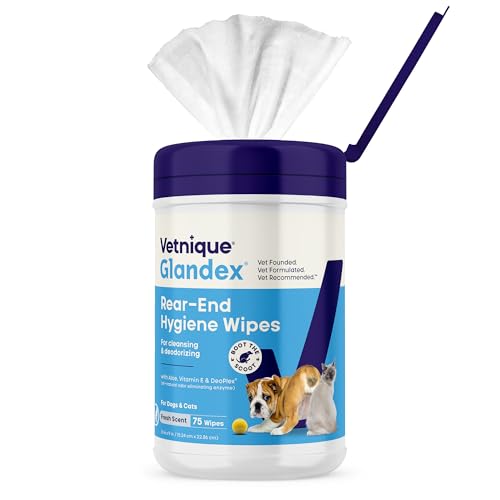
VET-FORMULATED DOG WIPES THAT CLEAN & DEODORIZE FISHY ANAL GLAND ODOR: For dogs and cats that scoot, drag, or come home with post-walk butt mess. DeoPlex enzyme eliminates fishy odor at the molecular level, with Aloe and Vitamin E to soothe the skin.

VET-FORMULATED DOG WIPES THAT CLEAN & DEODORIZE FISHY ANAL GLAND ODOR: For dogs and cats that scoot, drag, or come home with post-walk butt mess. DeoPlex enzyme eliminates fishy odor at the molecular level, with Aloe and Vitamin E to soothe the skin.

CLINICAL-STRENGTH ANAL GLAND RELIEF FOR DOGS & CATS: Vet-developed medicated spray and wipes with Hydrocortisone 1% and Pramoxine 0.5% to calm the itching, pain, and swelling behind scooting. From the original anal gland brand, trusted by 125,000 vets.*
Urinary Tract Infections (UTIs)
Urinary tract infections (UTIs) in puppies can lead to unpleasant odors, including that fishy smell some owners notice. When a puppy has a UTI, it often shows urinary symptoms like frequent urination and straining to go. You might also see blood in the urine or notice a strong, foul odor. This bacterial infection can cause inflammation in the bladder, making your puppy uncomfortable. It’s essential to get a vet check-up, as they can perform a urinalysis to confirm the infection. Treatment usually involves antibiotics and increased water intake to flush out the bacteria. Monitoring your puppy’s behavior and urine quality can help prevent recurring UTIs and guarantee their health remains a top priority.
Recommended Products
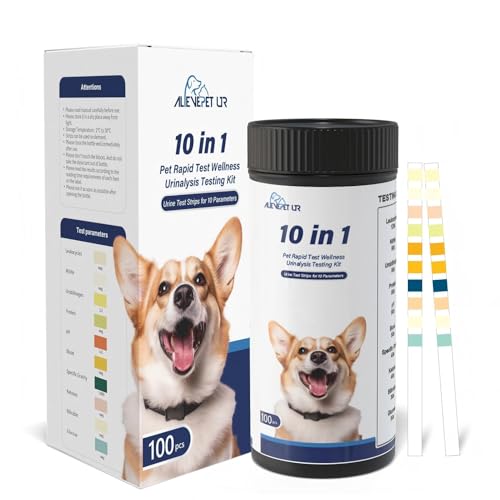
【PROFESSIONAL GRADE MONITORING】Monitor your pet's health with professional-grade 10 parameter uti test strips at home. This uti test strips for dogs 10-parameter test detects critical indicators including Leukocytes, Nitrite, and Protein to help early detection of UTI.

10-Parameter Cat & Dog Urine Test Strips:Tests for Glucose, Bilirubin, Ketones, Blood, pH, Protein, Urobilinogen, Nitrites, Leukocytes, and Specific Gravity

[10-PARAMETER FULL-PANEL PET URINE TEST] Leukocytes, Nitrite, Urobilinogen, Protein, pH, Blood, Specific Gravity, Ketone, Bilirubin, Glucose
Dental Disease

Dental disease in puppies is a common issue that can lead to a fishy odor, which often goes unnoticed until it becomes more pronounced. This unpleasant smell can stem from bacterial overgrowth due to conditions like periodontal disease. As a responsible pet owner, you should prioritize puppy dental hygiene by brushing your puppy’s teeth regularly with dog-safe toothpaste. Incorporate dental chews into their diet to help reduce tartar buildup and improve oral health. Additionally, consider using water additives designed to combat oral bacteria. Regular veterinary checkups and professional dental cleanings are essential, especially for breeds prone to dental issues. By focusing on periodontal disease prevention, you can guarantee your puppy maintains a healthy mouth and avoids that fishy smell.
Recommended Products

Greenies Puppy Dental Chews For Daily Dental Care: Greenies natural dog teeth cleaning treats are crafted to support the 4 areas veterinarians check most: plaque, tartar, gums & breath. Made with natural ingredients plus vitamins, minerals & nutrients

DENTAL CHEWS FOR PUPPIES 5-20 LBS: Puppy stix dental treats are soft and gentle while cleaning teeth, freshening breath, reducing tartar and plaque. Puppy Whimzees are ideal for dogs 3 months and older.

Greenies Puppy Dental Chews For Daily Dental Care: Greenies natural dog teeth cleaning treats are crafted to support the 4 areas veterinarians check most: plaque, tartar, gums & breath. Made with natural ingredients plus vitamins, minerals & nutrients
Skin Conditions (Yeast and Bacterial Infections)
Skin conditions, particularly yeast and bacterial infections, can greatly impact a puppy’s health and lead to a distinctive fishy odor. Yeast overgrowth occurs when fungi naturally present on the skin multiply, often resulting from allergies or moisture retention. You might notice redness, itching, and greasy patches on your puppy’s skin. Bacterial infections, commonly caused by Staphylococcus, also produce foul smells and can lead to swelling and pustules. To treat these issues, I recommend using antifungal or antibacterial shampoos, available at pet stores or vet clinics. Additionally, addressing underlying factors, like allergies or grooming habits, is essential. Regular baths and drying techniques help prevent moisture buildup, reducing the risk of odor and infection.
Recommended Products

HELPS SUPPORT HEALTHY SKIN - With a wash and soaking of the coat for 5-10 minutes, our powerful ingredients work to help soothe red, scaly, greasy, or smelly skin that may cause your pet discomfort

CLINICALLY PROVEN RESULTS: DOUXO S3 is proven to show results in as soon as 7 days.

A HEALING CLEAN : Yes, it’s shampoo for dogs! Yes, it’s shampoo for cats! And yes, it’s shampoo that cleans & heals! It soothes irritated skin, providing itch relief for cats, & dogs. An effective shampoo for dogs with allergies & cats, it promotes a shiny coat, reduces inflammation, & helps heal hot spots. This cat & dog antibacterial shampoo also reduces smelly odors associated with bacteria & fungus. Basically, our cat & dog shampoo for yeast & itching is 16 ounces of a better clean routine.
Female Reproductive Infections
When it comes to female puppies, understanding the risk of reproductive infections is essential for their health and well-being. Bacterial infections, often ascending from the genital area into the reproductive tract, are the most common cause. Species like Staphylococcus and Streptococcus can lead to significant issues. Symptoms may include abnormal discharge, vulvar swelling, and changes in urination habits. It’s important to monitor for these signs, as they indicate a potential risk to reproductive health. If you notice any concerning symptoms, prompt veterinary consultation is crucial for effective management. Treatment typically involves antibiotics and, in severe cases like pyometra, surgical intervention may be necessary. Spaying can help prevent these infections, ensuring your puppy remains healthy and vibrant.
Recommended Products

NATURAL COMPOSITION: No artificial additives! The newest formula! Our Antibiotics for dogs & cats include Cranberry, Echinacea, and Oregano. Completely organic dietary supplement.

PET URINARY TRACT SUPPORT DROPS: UTI+ is a natural cat and dog supplement that may help symptoms of upper- and lower-urinary-tract issues, such as straining, marking, licking at discharge, scooting, frequent urination in small amounts, and a strong odor.

Extra Strength Urinary Tract Support & High Proanthocyanidin Content – Our potent cranberry supplement for dogs helps maintain bladder strength and normal urine pH. D-Mannose and probiotics also support digestive balance & gut health
Frequently Asked Questions
Can Puppies Outgrow Fishy Odors as They Mature?
Curiously, many puppies do outgrow fishy odors as they mature. During puppy development, their odor changes can normalize with improved gland function, but persistent issues might still need attention. Regular vet check-ups are essential.
Are Certain Breeds More Prone to Fishy Smells?
I’ve noticed some breeds have tendencies toward fishy smells due to genetics influencing factors like skin folds or anal gland issues. It’s something to keep in mind when selecting or caring for your puppy.
How Can I Prevent Fishy Odors in My Puppy?
To prevent fishy odors in my puppy, I use effective grooming techniques and give regular baths. Keeping her clean and maintaining good hygiene really helps minimize unpleasant smells and keeps her feeling fresh and healthy.
Is a Fishy Smell Always a Health Concern?
I’ve noticed that a fishy odor doesn’t always spell trouble for our furry friends. While it can have health implications, sometimes it’s just a quirky scent from their adventures or diet. Always best to check, though!
Should I Change My Puppy’s Diet for Odor Issues?
I’ve considered dietary adjustments for my puppy’s odor issues. Sometimes, nutritional deficiencies can contribute to bad smells. It’s best to consult a vet before making any changes to guarantee a balanced diet and overall health.