As an Amazon Associate, we earn from qualifying purchases. Some links on this site are affiliate links at no extra cost to you. Our recommendations are based on thorough research and editorial judgment.

Where Do Silverfish Come From? Causes and Prevention

Silverfish come from dark, moist areas like forests and caves, where they thrive. In homes, they often nest in basements, bathrooms, and kitchens due to humidity and clutter. High humidity levels, leaks, and poor ventilation create ideal conditions for infestations. To prevent them, I recommend keeping humidity below 60% with dehumidifiers, cleaning regularly, and sealing cracks. Store food in airtight containers, and maintain a tidy environment to reduce their food sources. You’ll find more details on effective control measures ahead.
Key Takeaways
- Silverfish originate from dark, moist environments like forests and caves, thriving in high humidity levels (70-95%).
- They prefer indoor habitats such as basements, bathrooms, kitchens, attics, and laundry rooms due to moisture and food sources.
- Infestations are caused by high humidity, moisture leaks, poor ventilation, and clutter that provide food and shelter.
- Silverfish reproduce by laying fewer than 60 eggs in hidden crevices, with a life cycle of up to 8 years.
- To prevent infestations, maintain dry areas, use dehumidifiers, seal entry points, store food in airtight containers, and regularly clean.
Silverfish Origins and Natural Habitat
You may be interested

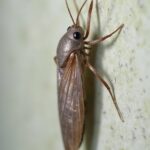

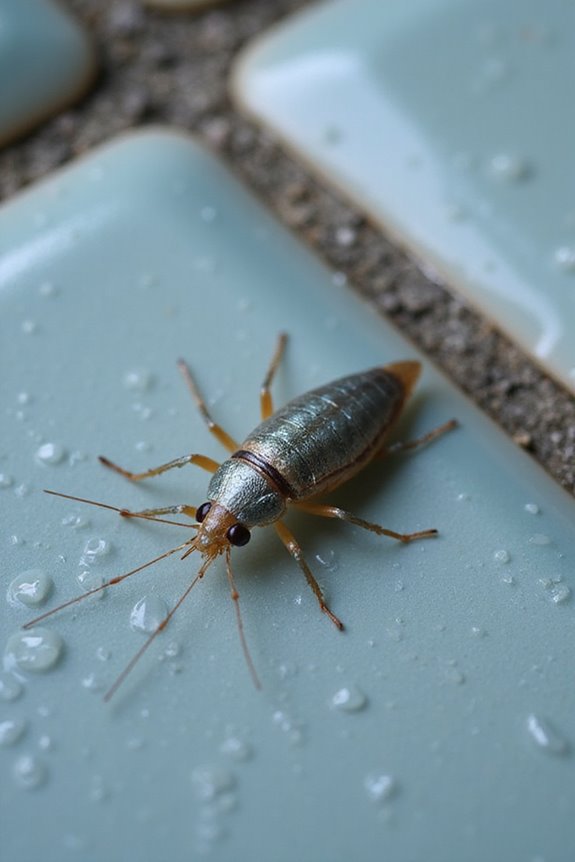
Silverfish, which are small, wingless insects, thrive in dark, moist environments that provide the ideal conditions for their survival. They originated in natural habitats like forests and caves, where they find shelter under rocks, logs, and leaf litter. These areas maintain high humidity levels, often between 70-95%, vital for their reproduction and survival. Their natural adaptations allow them to thrive in such environments, as they avoid light and require stable moisture to prevent desiccation. Silverfish play an essential ecological role as decomposers, breaking down organic debris, which enriches the soil and supports plant life. Understanding their origins and habitats helps us appreciate their ecological significance and the delicate balance they maintain in nature.
Indoor Habitats and Common Locations in Buildings
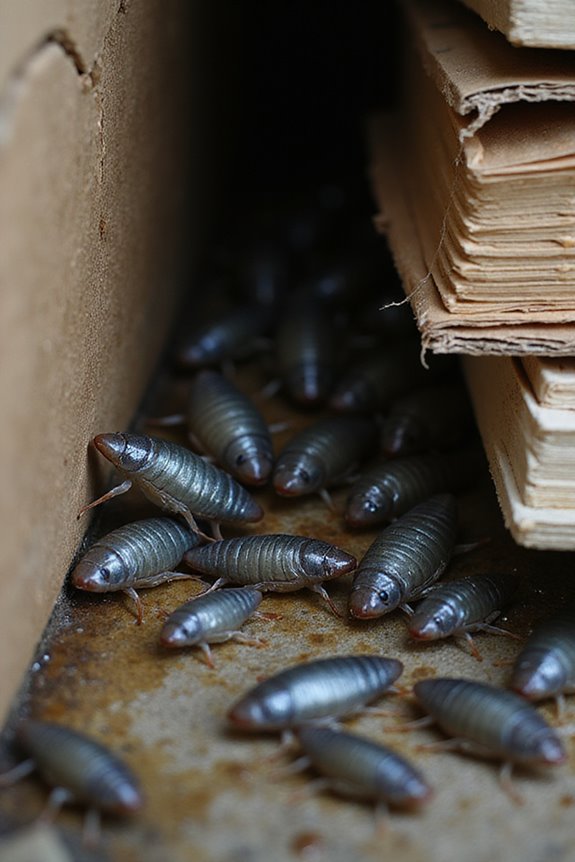
When you consider indoor habitats for silverfish, it’s clear that they gravitate toward specific areas in buildings that offer darkness and humidity. Basements are prime spots, with moisture seepage near walls and pipes, plus stored cardboard and clutter providing both food and shelter. Bathrooms attract silverfish due to humidity from showers and leaks, often hiding behind baseboards or inside cabinets. Kitchens lure them in with food sources like cereals and flour, particularly in dark corners and pantry areas. Attics, rarely disturbed, offer dust and old paper, while laundry rooms create warmth and humidity from appliances. Understanding silverfish behavior helps identify these indoor environments, enabling you to effectively manage potential infestations.
Recommended Products
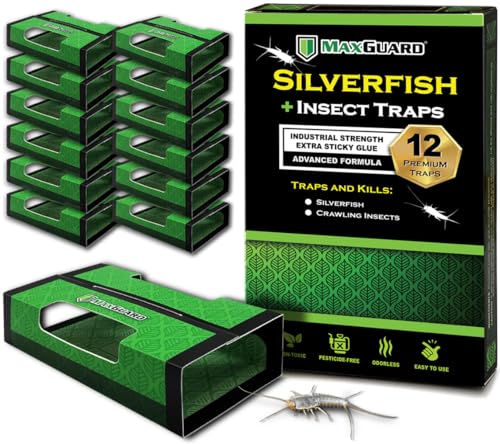
✅ OPTIMAL SOLUTION: Keeping your house free of silverfish is simple with our professional-grade Silverfish + Insect Traps. Our traps will capture and kill all types of silverfish and crawling insects.

Silverfish packs are an economic and easy way to control silverfish.

READY TO USE: Catchmaster Insect, Cricket, Cockroach and Spider glue traps are intended for use without bait. For best use, leave the roach trap with paper on so pests and bugs can acclimate to the trap, then place glue traps along known or suspected rodent pathways. Our products are tested under the harshest field conditions to ensure maximum reliability for any level of pest control expert.
Causes of Silverfish Infestation
Identifying the causes of silverfish infestation is essential for effective management. These pests thrive in environments with high humidity levels, often above 75%. Common moisture sources include leaks in roofs or window frames, making bathrooms, kitchens, and basements frequent hotspots. Poor ventilation exacerbates this issue, allowing humidity to accumulate.
Food sources are equally important; silverfish feed on cellulose materials like paper, fabric, and even starchy substances such as dandruff. Cluttered areas, where dust and food particles gather, provide ample nourishment and shelter. Regularly inspect and clean stored items, particularly in attics and basements, to eliminate potential food sources. Address moisture issues promptly by sealing leaks and improving ventilation to create a less hospitable environment for silverfish.
Recommended Products

Semiconductor dehumidifiers use thermoelectric cooling to remove moisture from the air. They create a drier, more comfortable environment by reducing humidity and improving air quality.
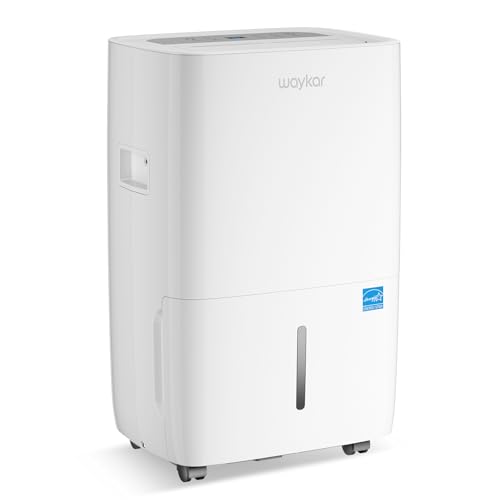
【80 Pint Capacity for Up to 5,000 Sq.Ft Spaces】Quickly removes excess moisture from basements, bathrooms, bedrooms, RVs, and other large living areas, delivering 80 pints per day (95°F, 90% RH).conditions. Designed as a powerful dehumidifier for basement, home, and large spaces, it helps eliminate damp air, condensation—and pet-related odors caused by excess humidity. Even during humid seasons, it works continuously to maintain a dry, comfortable, and healthier indoor environment.

Upgrade High Efficient Dehumidification: Dehumidifier utilize semi conductor condensation technology, ensuring quiet operation while effectively extracting moisture from the air. This advanced feature helps keep humidity levels below 45%
Silverfish Life Cycle and Reproduction
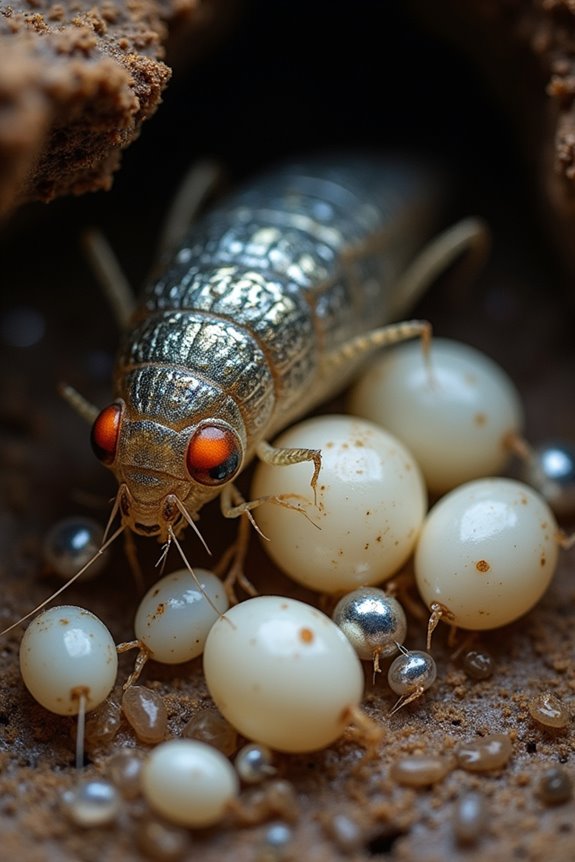
Understanding how silverfish reproduce and develop can help in managing their presence in your home. Silverfish undergo a life cycle with three main stages: egg, nymph, and adult. The female lays fewer than 60 eggs in hidden crevices, which hatch in 2 to 8 weeks under favorable conditions. Once hatched, nymphs resemble small adults and undergo continuous nymph development through multiple molts, sometimes up to 66 times in their lifespan. Their mating rituals are quite unique, involving phases of antennal contact, chasing, and tail vibrations, lasting over 30 minutes. This reproductive behavior, combined with their long lifespan of 2 to 8 years, contributes to their persistence in various environments, making it essential to understand their lifecycle for effective management.
Prevention Strategies
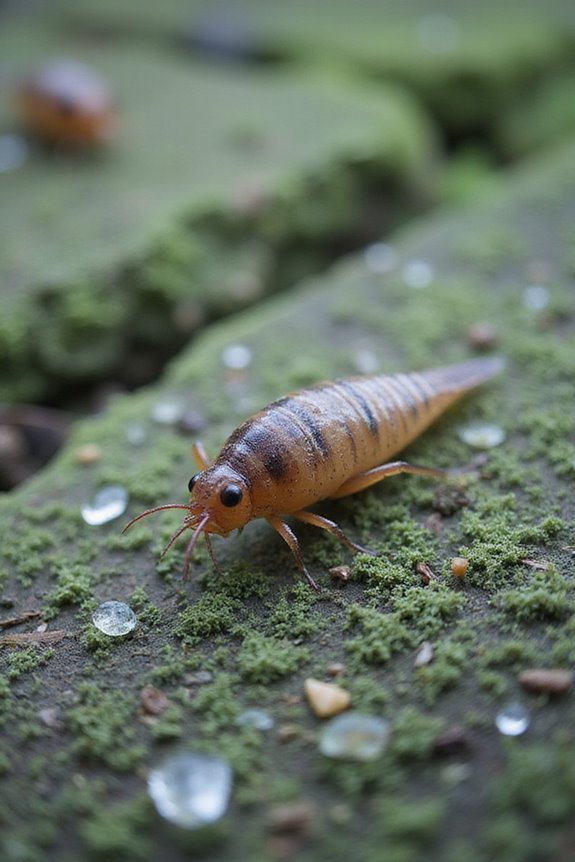
To effectively prevent silverfish infestations in your home, you’ll want to focus on creating an environment that is less hospitable to these pests. Start with preventive measures like maintaining dry and clean areas, especially in basements and bathrooms. Use dehumidifiers to keep humidity below 60% and ventilate warm spots. Seal entry points by caulking cracks around baseboards and windows, ensuring tight-fitting screens on vents. Store food and clothing in airtight containers, limiting access to nutrients. Regular cleaning is essential; dust and vacuum frequently to remove food sources. Utilize natural deterrents, such as peppermint oil, and consider safe insecticides for areas like attics. Consistent home maintenance is key to reducing silverfish habitats and avoiding infestations.
Control Measures and Natural Predators
Effective control measures for silverfish require a combination of chemical treatments and natural methods to tackle infestations head-on. I often use chemical controls, like insecticides, but I’m cautious due to potential health risks. Instead, I prefer sticky traps and baited traps to capture silverfish and minimize their numbers. Sealing entry points, like cracks, is essential for preventing their access. I also utilize natural repellents, such as cedar oil and diatomaceous earth, which effectively deter and kill these pests. Additionally, I encourage natural predators, like earwigs and centipedes, as they help maintain balance in my environment. For a thorough approach, I regularly clean to eliminate food sources and promote a less hospitable habitat for silverfish.
Recommended Products

READY TO USE: Spider and Insect glue traps are intended for use without insect or roach bait. For best use, leave the spider trap with paper on so pests can acclimate to the trap, then place insect traps indoor along known or suspected pest pathways.

EFFECTIVE SPIDER CONTROL: Captures dangerous spiders including black widow, brown recluse, and hobo spiders with specialized glue boards that provide reliable insect trap performance
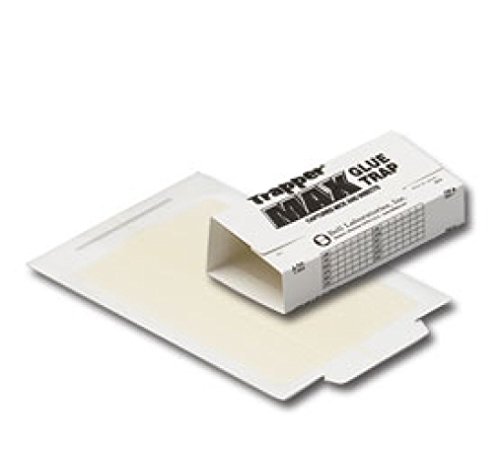
Trapper Max Glue Traps 12 Glue Boards Trap Mouse Bugs Insects Bed Bugs Spiders Cockroaches Non-Toxic
Great non-toxic way of catching rodents and insects.
Tips for Maintaining Low Humidity
Maintaining low humidity in your home is essential for preventing silverfish infestations, especially since these pests thrive in damp conditions. I recommend using dehumidifiers to effectively lower indoor humidity by extracting excess moisture from the air. Pair this with a humidistat to monitor your humidity levels, ensuring they stay within a healthy range. When outdoor humidity is low, open windows and doors to improve ventilation, promoting moisture reduction. Additionally, utilize exhaust fans during activities like showering to greatly lower humidity. Avoid using indoor humidifiers, as they can inadvertently raise humidity levels. Finally, consider sealing cracks in walls and windows to block humid air from entering, enhancing your humidity control measures and keeping your home dry.
Recommended Products

HIGH-EFFICIENCY MOISTURE REMOVAL FOR LARGE SPACES:Tired of damp, musty odors in your lower levels? This powerful dehumidifier for basement and large rooms removes up to 34 pints of moisture per day (at 95°F, 90% RH), covering spaces up to 2,500 sq. ft. It quickly brings relative humidity (RH) down to a healthy 40%–60% range, maintaining an ideal environment for your furniture, clothes, and walls. Ideal for expansive living rooms, crawl spaces, and storage areas, it creates a crisp, breathable indoor climate for your entire family.
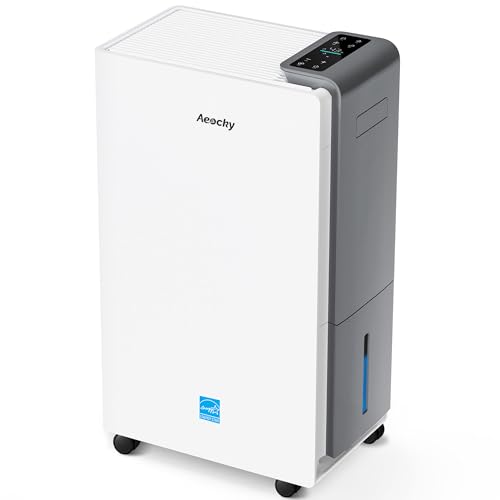
【ENERGY STAR 25 ≠ ENERGY STAR Most Efficient 2025】Don't fall for competitors' word games. With only 2.6% of ENERGY STAR models earning "Most Efficient 2025" title, these options are exceptionally rare on the market. RHEA-001 is one of the few to truly hold this top-tier certification. Many brands use misleading phrases like "Energy Star Efficient 25" or "Energy Star 25" to imply a standard they haven't met. Choosing them is a risk.With AEOCKY, you get verified performance and the peace of mind of authentic, top-tier efficiency.

Superior Performance & Efficient Dehumidification: Removing up to 70 pints (under 90% RH @ 95°F condition) of moisture per day, AIRPLUS dehumidifiers has superior performance. Ideal for rooms up to 4500 sq.ft. If you want a dehumidifier for bathroom, it will definitely be a great choice.
Importance of Regular Inspections
Regular inspections play an essential role in controlling silverfish populations and preventing infestations. I recommend conducting inspections monthly, especially in high-risk areas like bathrooms and basements. During these inspections, use a flashlight and magnifying glass to spot silverfish eggs or nymphs hidden in cracks and crevices. Look for signs such as yellowish stains, tiny holes in fabrics, and discarded skins. Check common hiding spots, including behind appliances and in stored paper goods. Employing effective detection techniques helps catch any potential infestations early. By maintaining a consistent inspection frequency, I can reduce damage to my belongings and keep my home pest-free. Regular checks are my best defense against silverfish before they become a bigger problem.
Frequently Asked Questions
Can Silverfish Damage Electronic Devices or Appliances?
I’ve worried about silverfish damaging my electronic appliances. While it’s rare, they can sneak in, chewing on wires or manuals. Keeping humidity low and sealing cracks has helped me protect my devices from these pests.
Are Silverfish Harmful to Humans or Pets?
Silverfish don’t bite, so I’m not worried about direct harm. However, I’ve learned they can pose health risks through allergens and contamination, especially for sensitive folks, making their presence in my home concerning.
How Do I Identify a Silverfish Infestation?
To identify a silverfish infestation, I look for signs like small droppings and cast skins. Observing their nocturnal habits in damp areas helps confirm their presence and potential damage to my belongings.
Do Silverfish Have Any Beneficial Roles in the Ecosystem?
Isn’t it fascinating how silverfish benefit our ecosystems? They play essential roles as decomposers, breaking down organic matter, and serving as prey for predators, thereby maintaining balance and supporting biodiversity in their environments.
Can Silverfish Survive in Dry Conditions?
I’ve learned that silverfish can’t survive in dry conditions. They thrive in specific habitats that provide the moisture they need. Without enough humidity, their delicate physiology quickly suffers, leading to dehydration and death.