As an Amazon Associate, we earn from qualifying purchases. Some links on this site are affiliate links at no extra cost to you. Our recommendations are based on thorough research and editorial judgment.

How Long Can Fish Survive Out of Water?

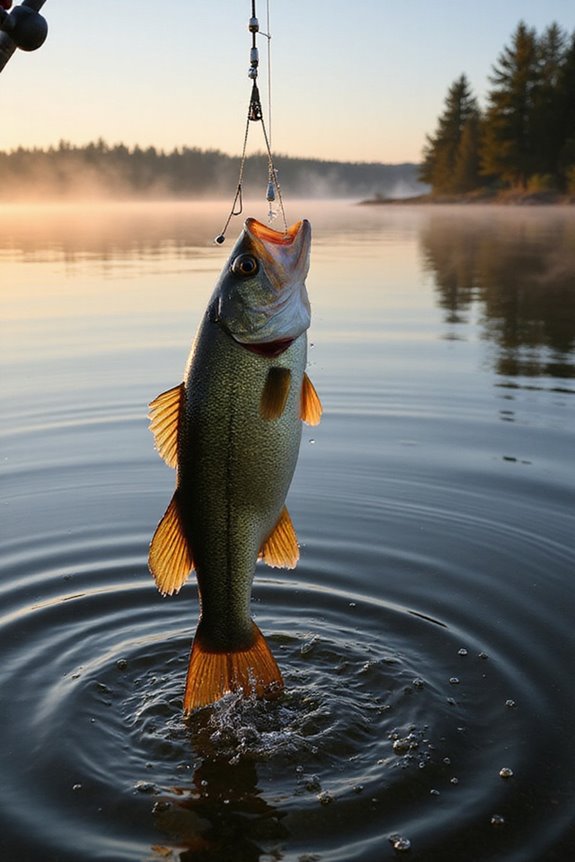
Fish survival out of water differs widely by species. Snakehead fish can last several days, while small freshwater fish like tetras and goldfish endure about 10 minutes. Betta fish survive up to an hour, and walking catfish can thrive for nearly 18 hours. Understanding these survival times is essential for catch-and-release practices, especially in freshwater vs. saltwater environments. Select lightweight tackle to minimize stress on the fish. There’s much more to explore about factors influencing these survival times.
Key Takeaways
- Snakehead fish can survive several days out of water due to their unique adaptations.
- Walking catfish can thrive for nearly 18 hours outside water with modified gills for oxygen exchange.
- Betta fish can last about an hour out of water thanks to their labyrinth organ.
- Most small freshwater fish, like tetras and goldfish, survive only about 10 minutes, especially under stress.
- Saltwater fish, such as clownfish, generally endure only a few minutes to hours outside water due to lack of adaptations.
Survival Times by Fish Type
You may be interested

When we talk about how long fish can survive out of water, it’s important to understand that survival times vary considerably by fish type. For example, snakehead fish can last several days thanks to their unique respiratory adaptations, allowing them to breathe atmospheric air. In contrast, typical small freshwater fish, like tetras, only survive about 10 minutes. Goldfish might manage around 10 minutes, but panic shortens that time. Betta fish, with their labyrinth organ, can breathe air directly and survive for about an hour. Meanwhile, walking catfish can thrive for nearly 18 hours out of water. Each fish’s behavior and adaptations determine their survival time, making knowing your species vital for successful fishing and care. Fish activity levels may also be influenced by barometric pressure changes, which can affect their metabolism and survival time when removed from water.
Recommended Products

No More Leaks: Our live fish bags are doubled up the seal on the bottom, tested again and again, and these bags don't leak. Whether you're moving freshwater guppies or saltwater clownfish, you won't find a single drop spilling out. No messy car seats or wet counters, total peace of mind

Premium Quality Material: Made from high-grade, durable plastic, these fish bags offer excellent waterproof and tear-resistant performance, ensuring a safe and secure environment for live fish during transport.
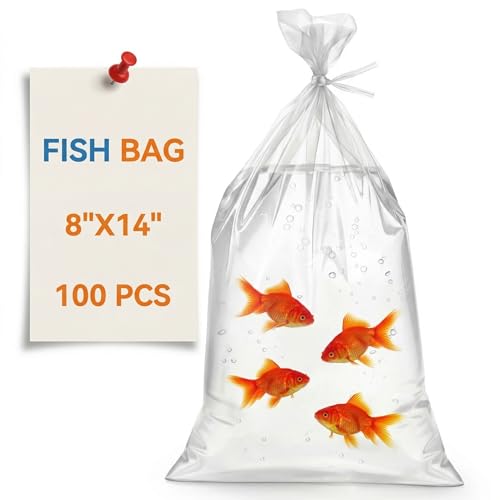
Package includes 100 pcs durable plastic fish bags, each measuring 8 x 14inch, providing ample supply for hobbyists, pet stores, fish farms, and fish breeder for transporting marine, tropical fish and even koi carp.
Key Adaptations for Extended Survival
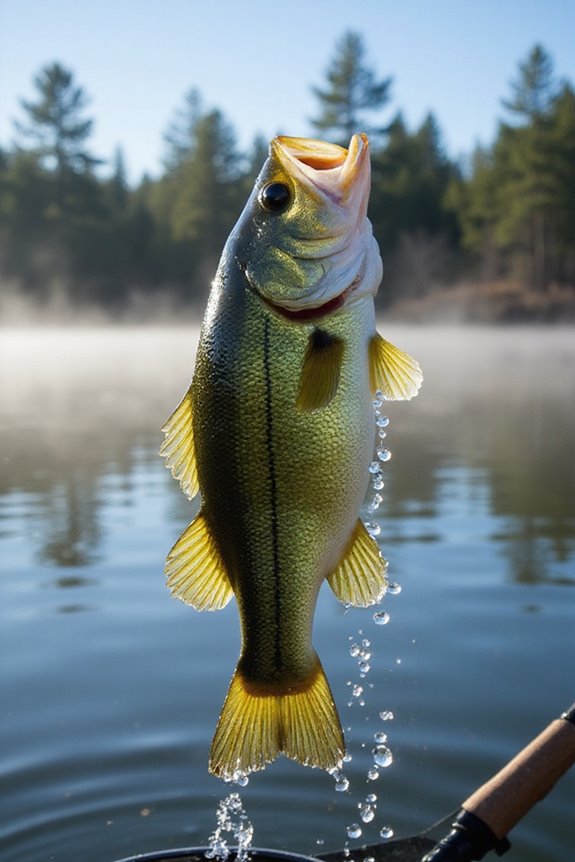
Understanding the key adaptations that allow certain fish to survive out of water can help anglers and aquarists alike appreciate the resilience of these creatures. Many fish, like the walking catfish, possess respiratory adaptations such as modified gills that maintain oxygen exchange outside water. Some, like European eels, use well-vascularized skin to absorb oxygen, allowing for short bursts of terrestrial locomotion. Fish such as electric eels and tarpon utilize specialized structures, like vascularized swim bladders, to enhance air breathing efficiency. Using biodegradable fishing lines can protect these species from harmful entanglement if gear is lost during fishing expeditions. When targeting these species, consider fishing in shallow areas with ample vegetation, which may allow them to navigate between waters. Using light tackle can help prevent injury during catch and release, ensuring their survival when returned to their aquatic habitats.
Recommended Products

Strong Knot Strength - Dynamically incorporated strands in KastKing SuperPower Braided Lines allow you to easily tie a more solid knot; you can even tie an improved clinch knot. The special proprietary treatment (without a waxy coating) allows the supple fishing line to zip through the guides to your target and gives you better lure swimming action.

CAST FURTHER & LASTS LONGER- Beyond Braid has a smooth fluoropolymer coating that allows for more efficient casts and longer distances every time. A thinner diameter slices through your guides and allows you to pack more line onto your reel.
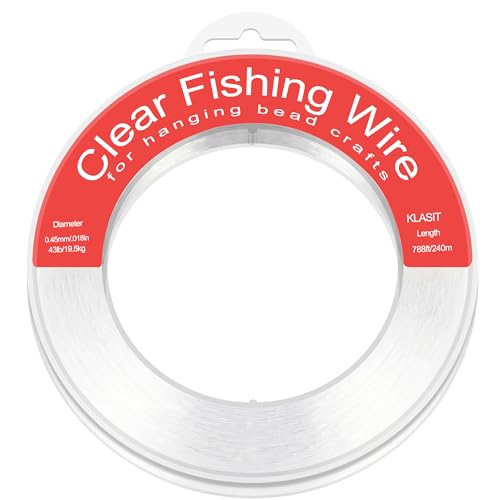
Monofilament Fishing Line Size: This clear fishing line measures 240 m/788FT length with a 0.45 mm/.018 in diameter, giving you plenty of line for extended use. Strong yet nearly invisible, it’s ideal not only for fishing but also for hanging decorations, DIY crafts, jewelry making, and beading projects.
Extreme Survival Examples
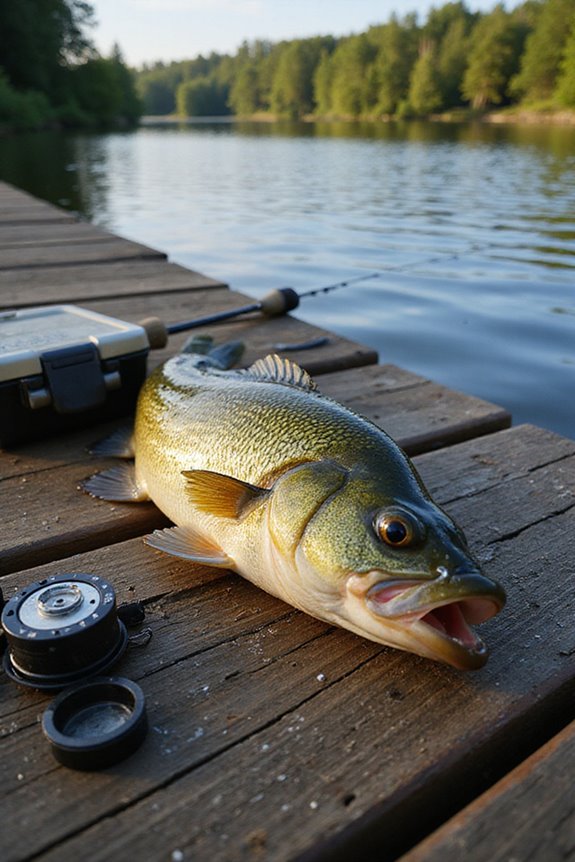
Many fish have developed remarkable adaptations that enable them to survive out of water, showcasing their resilience in diverse environments. For instance, the Longfin Dace cleverly hides under damp algae mats during droughts, utilizing minimal dew for fish locomotion at night. The mangrove rivulus can breathe through its skin and gills, surviving up to 66 days out of water while pouncing on land to navigate habitat fluctuations. Similarly, the plec and mudskippers exhibit cutaneous respiration, allowing them to thrive in harsh conditions. These adaptations highlight the versatility of fish, enabling them to exploit temporary microhabitats. Understanding these extreme survival examples can enhance our fishing strategies, especially in areas where water levels constantly change. When fishing in winter conditions, having proper insulated clothing can help maintain your comfort while observing these fascinating survival behaviors.
Recommended Products

Waterproof Softshell: Women's insulated softshell pants with waterproof coating surface layer to repel water, rain, snow and avoid cold wind, provides the excellent comfort for winter outdoor wearing.

Waterproof Functions: Surface layer with wear-resistant stretchy spandex waterproof coating, repels water, rain, snow, and oil stains effectively and avoid cold wind in; Inner layer contains skin-friendly warm fleece with superior moisture wicking treatment, breathable, warm, and dry, provides the excellent comfort and flexibility for wearing
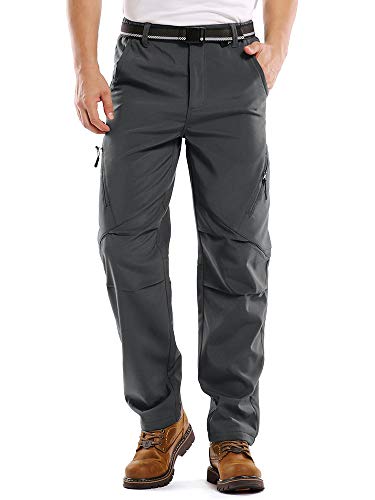
Waterproof Pants Men: Wear resistant stretch nylon surface layer with waterproof coating, effectively repels rain ,snow and oil stains, cuts the wind, prevents water molecules from penetrating; Inner layer made of skin-friendly warm fleece with superior moisture wicking treatment, breath freely, keep warmth and dry, provides the excellent comfort and flexibility.
Influencing Factors on Survival Duration
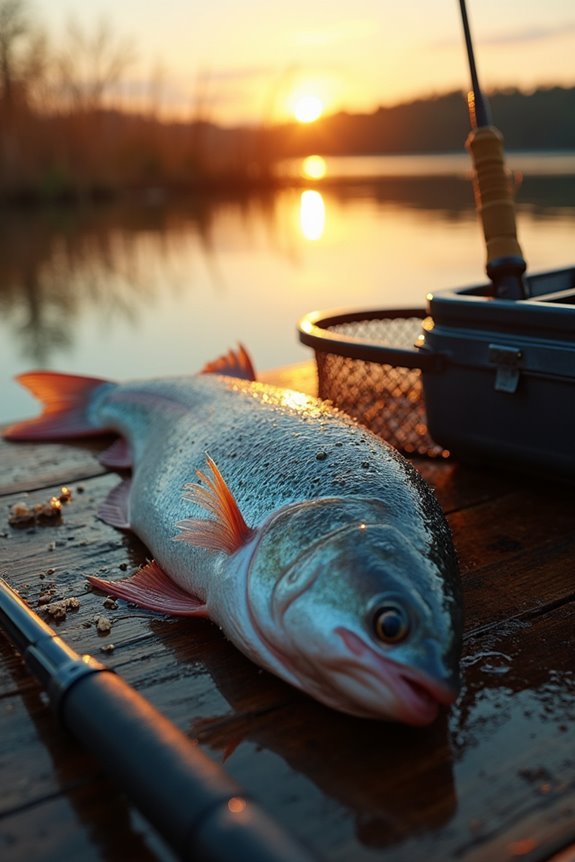
Survival duration for fish out of water hinges on several key factors, including physiological adaptations, environmental conditions, and the size and condition of the fish. Species-specific traits play a significant role; for example, sablefish can endure short air exposure due to their adaptations. Environmental conditions, such as temperature and oxygen levels, directly impact survival, as colder water slows metabolism, potentially extending survival time. Additionally, larger fish tend to last longer outside water, thanks to greater moisture reserves. During fishing activities, be mindful of how handling affects fish health, as stress can impair their reflexes and survival capability. Understanding these influences can aid in better practices for catch-and-release fishing, promoting healthier fish populations overall.
Freshwater vs. Saltwater Fish Survival
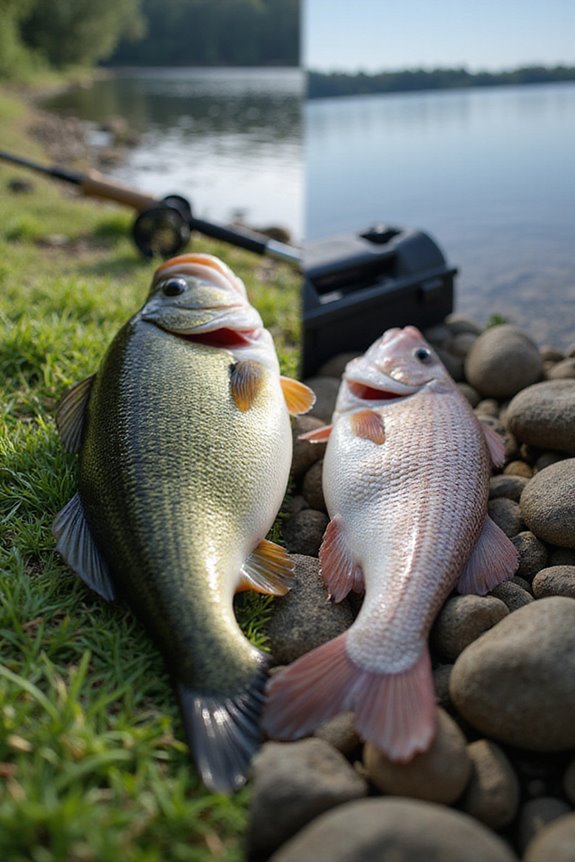
When comparing the survival of freshwater and saltwater fish out of water, it’s essential to take into account their unique adaptations and environmental responses. Freshwater fish, like the walking catfish, can survive up to 18 hours due to specialized organs that allow air breathing. In contrast, most saltwater species, such as clownfish, typically endure only a few minutes to a few hours outside their saltwater environments. Freshwater habitats often support species with amphibious traits, enabling them to survive in low-oxygen conditions. Saltwater fish, however, lack these adaptations, limiting their time on land. Understanding these differences can enhance your fishing strategies, whether you’re targeting freshwater species with longer survival rates or appreciating the unique challenges of saltwater fishing.
Recommended Products

POWERFUL: Tetra Whisper Air Pump provides dependable airflow to your aquarium.

Powerful & Energy Efficient Aquarium Air Pump: 4 Watt energy efficient aquarium oxygen pump provides stable output while saving energy. Which delivers up to 95GPH(360L/H)*2 of airflow, max pressure up to 20Kpa (0.02Mpa). Can be used for fish tanks, aquariums, seafood markets, hydroponic, and used for up to 120 Gal tank.
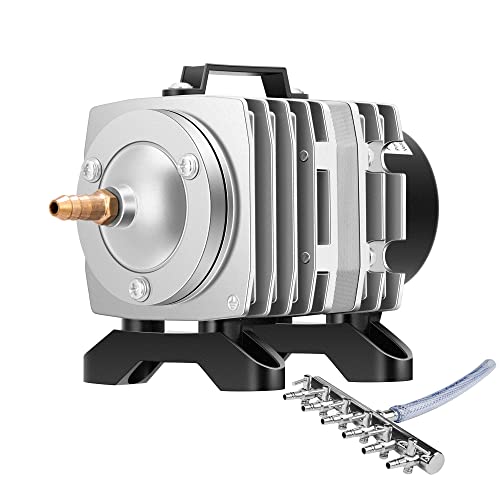
Premium Materials: This pump dissipates heat more effectively with aluminum alloy heat-radiating plates and delivers excellent, long-lasting performance; includes a premium manifold and pure copper outlet nozzle
Behavioral and Ecological Survival Strategies
Understanding the behavioral and ecological survival strategies of fish can greatly enhance your fishing experience. Fish like the mangrove rivulus exhibit impressive behavioral plasticity, enabling them to survive out of water for extended periods by seeking moist microhabitats. During dry spells, they burrow into mud or rotten wood, conserving moisture. When fishing, consider locations with dense vegetation or fallen logs, as these provide essential shelter for fish. Additionally, observe how fish respond to air exposure; reflexive responses can indicate their stress resilience and readiness for release. Using techniques that minimize air exposure—like quick releases or using a landing net—can improve survival rates. By recognizing these strategies, you can enhance your fishing methods and contribute to sustainable practices.
Frequently Asked Questions
Do Fish Experience Pain When Out of Water?
I believe fish do experience pain when out of water. Their erratic movements and stress reactions suggest they’re under distress. The physiological responses indicate that fish stress is real, affecting their well-being considerably.
Can Fish Survive Freezing Temperatures Out of Water?
Have you ever wondered if fish can survive freezing temperatures out of water? While some adapt through hibernation, their temperature tolerance limits survival time. Extended exposure often leads to gill damage and dehydration, making survival unlikely.
How Do Fish Breathe When Out of Water?
When fish are out of water, gill function diminishes, and oxygen absorption becomes nearly impossible. Their gills collapse without water’s support, making it tough to breathe, leading to rapid distress and potential suffocation.
Are There Fish That Can Live Entirely on Land?
Oh sure, let’s just let fish take a stroll on land! But really, lungfish adaptations and amphibious species do exist, showcasing nature’s creativity. Still, I wouldn’t recommend them trading water for a beach day anytime soon!
What Happens to Fish Physiology During Prolonged Out-Of-Water Exposure?
During prolonged out-of-water exposure, I noticed gill function collapses, severely hindering oxygen absorption. Fish face hypoxia and dehydration, leading to critical physiological stress that can cause lasting damage, even after they return to water.