As an Amazon Associate, we earn from qualifying purchases. Some links on this site are affiliate links at no extra cost to you. Our recommendations are based on thorough research and editorial judgment.
How to Cycle a Fish Tank With Fish: Fish-In Method

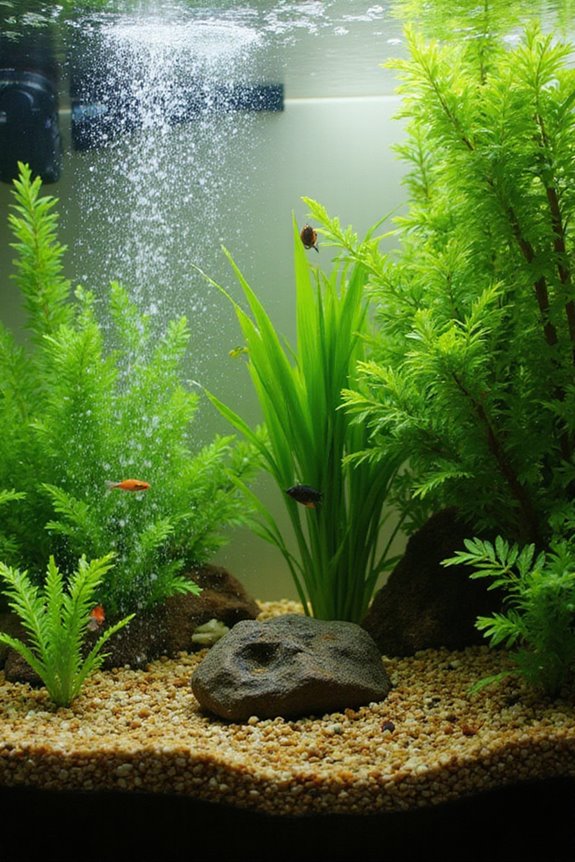
To cycle a fish tank using the fish-in method, start by preparing your tank with a quality filter and heater suitable for your tank size. Place the tank in a stable location, away from direct sunlight. Add gravel or sand substrate and guarantee it’s clean. Introduce a few hardy fish to generate ammonia through waste. Monitor ammonia and nitrite levels regularly, keeping ammonia below 0.2 ppm with partial water changes as needed. This process helps establish beneficial bacteria for a balanced ecosystem, and I’ll explain how to recognize cycling completion next.
Key Takeaways
- Start with a few hardy fish species to create ammonia through waste and respiration for beneficial bacteria growth.
- Test ammonia, nitrite, and nitrate levels at least twice a week to maintain water quality.
- Feed fish lightly, providing only what they can consume in one minute once daily to prevent excess waste.
- Perform 20-30% partial water changes if ammonia levels exceed 0.2 ppm to keep water safe for fish.
- Monitor fish closely for stress signs and gradually introduce new fish once cycling is complete.
Preparing Your Tank and Equipment
You may be interested
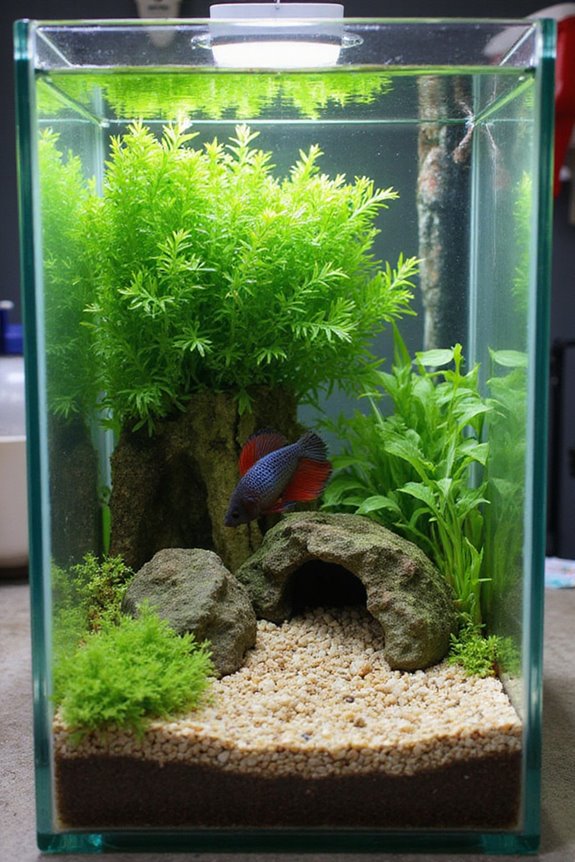
When I set up a fish tank, I always start by gathering all the necessary equipment to guarantee a smooth cycling process. First, I choose a stable tank location away from direct sunlight and temperature fluctuations. This helps maintain consistent conditions during cycling. Next, I focus on substrate selection, opting for gravel or sand that supports beneficial bacteria growth. I rinse the substrate thoroughly to eliminate dust and contaminants. After that, I install the filter and heater, ensuring they match the tank size and are operational. I also consider adding fish habitat structures that provide hiding spots and create a more natural environment for fish during the cycling process. Finally, I add decor carefully to promote good water flow and avoid dead zones. By taking these steps, I set the stage for a successful cycling journey right from the start.
Managing Fish During the Cycle
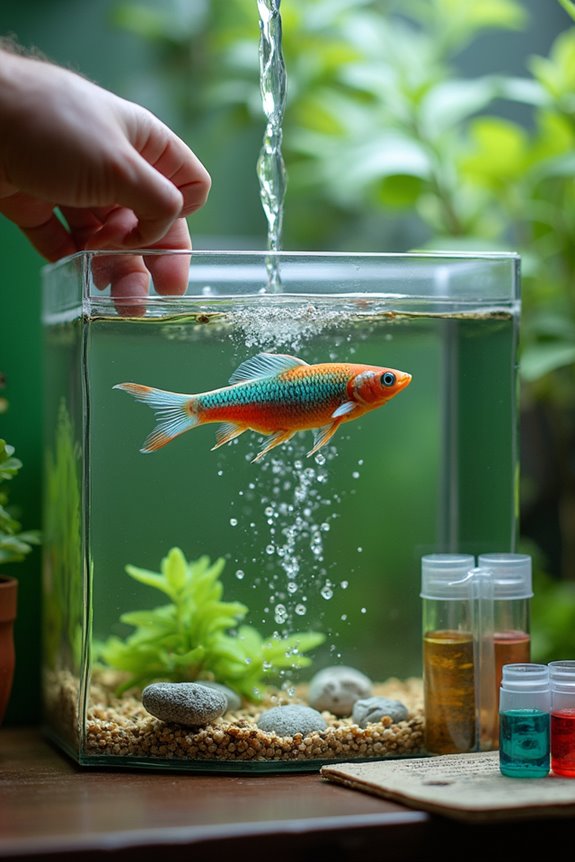
Managing fish during the cycle requires careful attention to their environment and health, as the cycling process can be stressful for them. I test ammonia, nitrite, and nitrate levels at least twice a week using reliable test kits to avoid toxic buildup. I feed fish lightly, offering only what they can eat in about one minute once daily. This minimizes excess waste, reducing fish stress. I inspect uneaten food and remove it promptly. I also stock only a few hardy fish species initially, maintaining stable water temperature to prevent abrupt changes that could stress them. Observing fish for signs of distress is vital; if I notice any issues, I take corrective action immediately to guarantee their health throughout the cycle. I keep fishing tool retractors nearby to ensure I don’t accidentally drop equipment into the tank while performing maintenance during the cycling process.
Recommended Products

Reliable Brand: MEXYBE was founded with a simple yet important mission: to provide everyone with a accurate and reliable way to test their water quality. We believe that access to clean and safe drinking water is a basic human right, and our tds meter digital water tester is one professional way that can help people achieve that. We are committed to providing high-quality products and excellent customer service. Join us in our mission to make clean and safe water accessible to everyone

Professional Quality Testing Kit: The AAwipes Aquarium test kit (50 strips) is developed by experts for fish enthusiasts. It offers 8-in-1 testing capabilities, made with high-quality fiber paper and non-bleeding colors. The kit measures key parameters like Free Chlorine, Nitrate, Nitrite, Hardness, Sodium Chloride, Total Alkalinity, pH and Ammonia nitrogen. By identifying potential issues, our fish tank testing kit helps prevent hidden water problems and ensures the safety and well-being of your fish.

8-in-1 Complete Water Testing: Test 8 essential parameters in one strip, including pH, ammonia, nitrate, nitrite, hardness, alkalinity, chlorine, and salinity. Helps maintain a balanced aquarium environment.
Promoting the Nitrogen Cycle With Fish
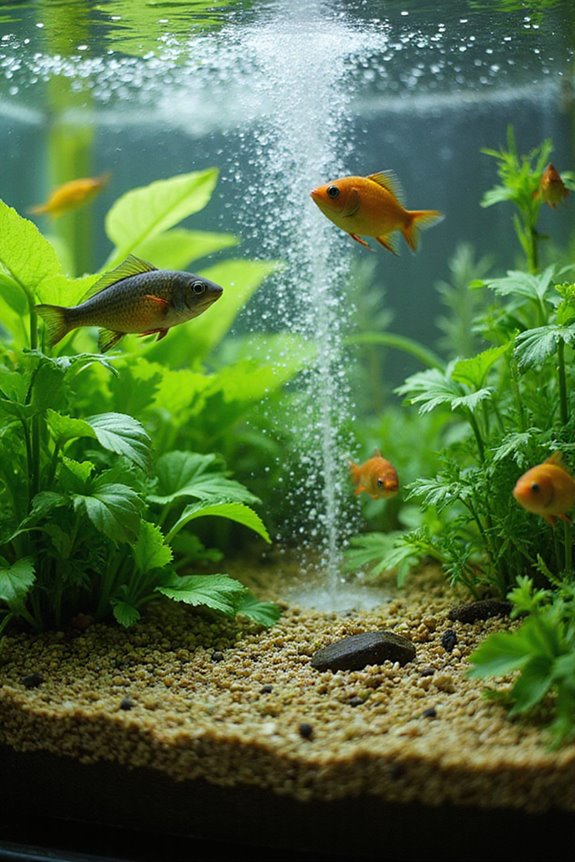
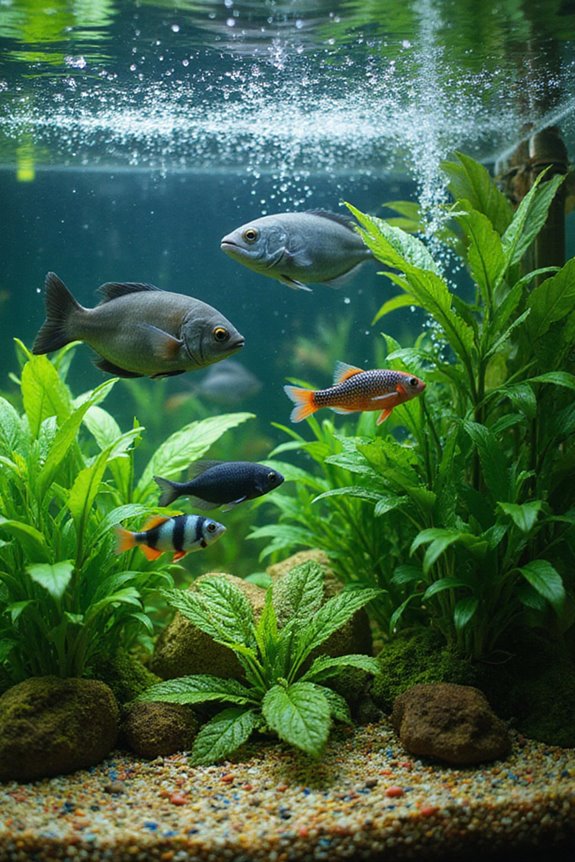
Promoting the nitrogen cycle with fish is essential for establishing a healthy aquarium environment. By adding fish, you create ammonia sources through their waste and respiration, which fuels the growth of beneficial bacteria. These bacteria, like Nitrosomonas, convert ammonia into nitrite, progressing the cycle. After that, Nitrobacter takes over, turning nitrite into nitrate, a less harmful compound. To support this process, I recommend using a good quality filter with ample surface area for bacteria colonization and maintaining stable water temperatures. Keep an eye on your ammonia levels, ideally between 0.5 and 1.0 ppm, and avoid overfeeding, as excess food can spike ammonia levels. The importance of monitoring is similar to ice fishing, where sensitivity and adjustability are crucial for detecting subtle changes in your environment. With patience, beneficial bacteria will gradually establish, leading to a balanced tank.
Recommended Products

Efficient Filtration: The high-density and unique structure of the sponge provide exceptional mechanical filtration. It effectively captures and removes impurities, suspended particles, and waste from the water, maintaining a clear and stable aquatic environment for the well-being of your aquatic organisms.

Unique synthetic polymer
Testing Water Quality and Making Adjustments
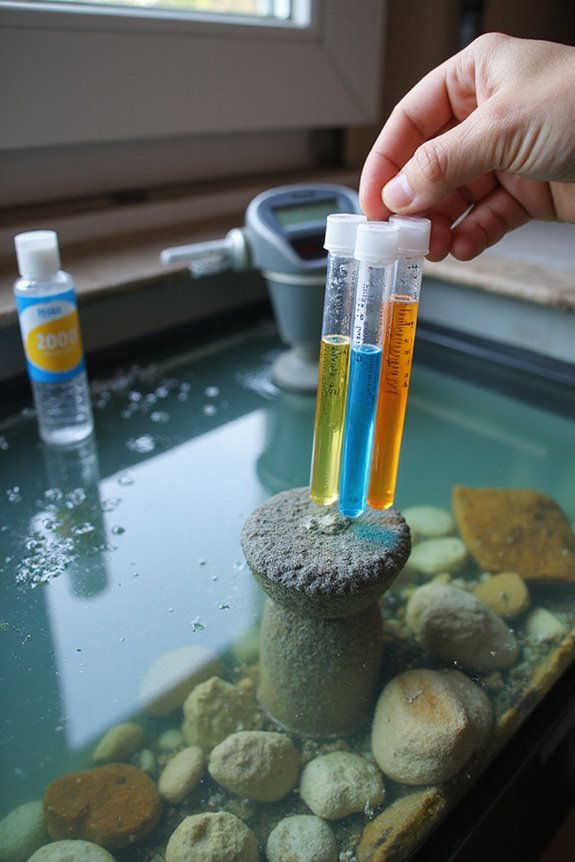
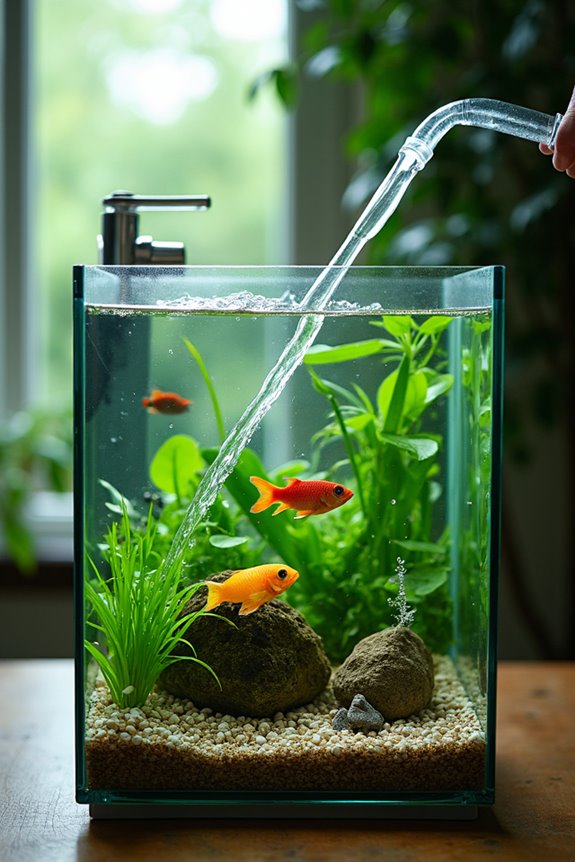
Testing water quality is essential for guaranteeing a healthy environment for your fish during the cycling process. I recommend conducting water testing every day or every two days to monitor ammonia levels, nitrite spikes, and nitrate control. Aim to keep ammonia below 0.2 ppm; if it exceeds this, perform a partial water change of about 20-30%. Regularly check pH stability since extreme fluctuations can stress your fish and affect bacteria growth. Use test strips for quick readings, but drop tests offer better accuracy for ammonia, nitrite, and nitrate levels. Finally, maintain your filter properly, avoiding over-cleaning, which can disrupt the beneficial bacteria. Keeping thorough records helps track trends and guarantees a safe aquatic environment for your fish.
Recommended Products

𝗛𝗼𝗺𝗲 𝗔𝗾𝘂𝗮𝗿𝗶𝘂𝗺 𝗪𝗮𝘁𝗲𝗿 𝗧𝗲𝘀𝘁 𝗞𝗶𝘁 - Ensure the health of your fish with aquarium water testing kit & ammonia test strips for fish tank. This complete freshwater & saltwater tank test kit provides a reliable water tester for ammonia, pH, iron, chlorine, total hardness (GH), carbonate, nitrate, nitrite, total alkalinity, copper, and temperature, allowing you to have a complete understanding of your aquarium water quality. Trusted by fish enthusiasts, it adapts to your needs, making it an essential tool for aquarium care.

ALL-IN-ONE TESTING KIT: Everything you need to test your aquarium water.

Professional Quality Testing Kit: The AAwipes Aquarium test kit (25 strips) is developed by experts for fish enthusiasts. It offers 8-in-1 testing capabilities, made with high-quality fiber paper and non-bleeding colors. The kit measures key parameters like Free Chlorine, Nitrate, Nitrite, Hardness, Sodium Chloride, Total Alkalinity, pH and Ammonia nitrogen
Recognizing Completion and Transitioning Post-Cycle
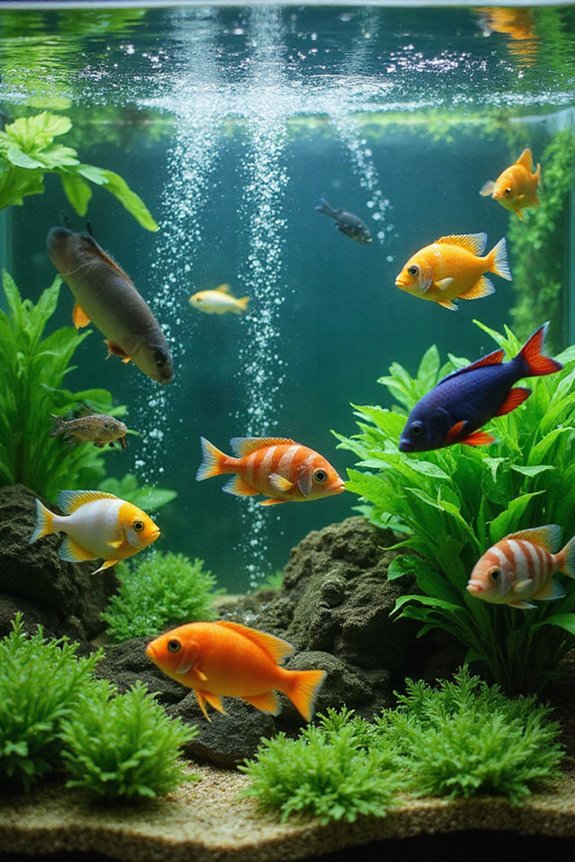
Recognizing when your fish tank has completed its cycling process is essential for ensuring a stable environment for your aquatic life. Key cycle indicators include ammonia levels dropping to near zero, nitrites also reaching zero, and the presence of nitrates. Clear water and new plant growth signal you’re nearing completion. After confirming these signs, I recommend gradual shift strategies. Start with 30% weekly water changes to manage nitrate levels while avoiding major filter cleanings to preserve beneficial bacteria. Monitor your fish closely for any signs of stress as you increase feeding. When introducing new fish, do so slowly and continue regular water testing to maintain a healthy ecosystem. This approach helps solidify your tank’s stability and promotes long-term success.
Recommended Products
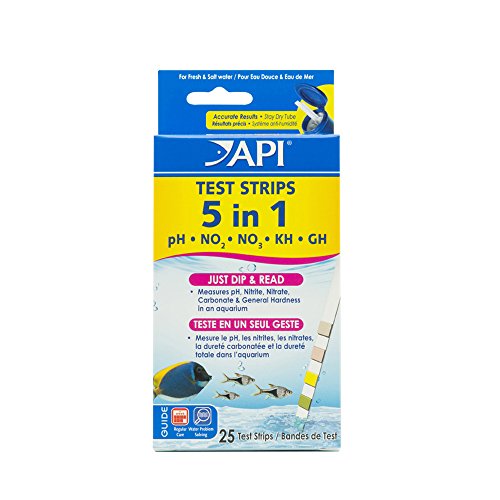
Contains one (1) API 5-IN-1 TEST STRIPS Freshwater and Saltwater Aquarium Test Strips 25-Count Box

5-in-1 Master Test Kit: Monitor all 5 critical water parameters – pH, nitrite, nitrate, ammonia, and phosphate – in one comprehensive aquarium test kit. The rigorous analysis helps you maintain an ideal haven for your aquatic friends

Professional Quality Testing Kit: The AAwipes Aquarium test kit (100 strips) is developed by experts for fish enthusiasts. It offers 8-in-1 testing capabilities, made with high-quality fiber paper and non-bleeding colors. The kit measures key parameters like Free Chlorine, Nitrate, Nitrite, Hardness, Sodium Chloride, Total Alkalinity, pH and Ammonia nitrogen.
Frequently Asked Questions
How Long Should I Wait Before Adding More Fish?
I’d wait about 4 to 6 weeks before adding more fish. During this cycling duration, guarantee fish compatibility and monitor water parameters closely to avoid stress and maintain a healthy environment for everyone involved.
What Are the Best Fish Species for Cycling?
I know it’s tough choosing, but the best beginner fish for cycling include zebra danios and white cloud mountain minnows. They’re hardy cycling fish types that can handle ammonia spikes, making your experience smoother.
Can I Use Live Plants During the Cycle?
Absolutely, I’ve found that using live plants during cycling offers fantastic benefits. They absorb ammonia, improving water quality while providing a healthier environment for my fish. It’s a win-win for both plants and aquatic life!
What Should I Do if My Fish Show Stress?
When my fish started showing stress signs, it felt like watching a friend in distress. I quickly tested the water, provided recovery tips like better hiding spots, and adjusted conditions to help them feel safe again.
How Often Should I Perform Water Changes During Cycling?
I recommend monitoring ammonia levels closely. If they spike, I perform water changes to maintain water quality. Regular testing helps me decide when to change water, ensuring my fish stay safe during the cycling process.