As an Amazon Associate, we earn from qualifying purchases. Some links on this site are affiliate links at no extra cost to you. Our recommendations are based on thorough research and editorial judgment.

How to Lower Ph in a Fish Tank: Safe Methods

To lower pH in your fish tank safely, I suggest using natural methods like Indian Almond Leaves and driftwood, as they release beneficial tannins that help acidify the water gradually. You can also employ peat filtration by placing peat moss in a mesh bag in your filter. Regular water changes with lower pH water, such as RO or DI water, will help too. For detailed techniques and ongoing maintenance tips, there’s more to explore.
Key Takeaways
- Use Indian Almond Leaves or Alder cones to naturally release tannins, gradually lowering pH levels in the aquarium.
- Incorporate driftwood, which leaches tannins over time, effectively decreasing pH while enhancing tank aesthetics.
- Perform regular water changes with lower pH water sources to slowly adjust the acidity of the tank.
- Utilize peat filtration to release organic acids, gently lowering pH without sudden fluctuations.
- Monitor pH levels frequently using electronic meters or drop-based test kits to ensure stable conditions for your fish.
Understanding Ph and Its Importance in Aquariums
You may be interested
Understanding pH and its importance in aquariums is essential for any fish keeper. pH measures the hydrogen ion concentration in water, directly influencing water chemistry and the health of various fish species. Most freshwater fish thrive in a pH range of 6.5 to 8.0, but specific needs can vary. Regularly monitoring pH levels helps prevent harmful pH fluctuations that can stress fish and disrupt the aquarium ecosystem. For example, South American species often prefer lower pH values, while African cichlids thrive in more alkaline conditions. Using reliable pH test kits is imperative, as maintaining stable pH levels not only promotes fish health but also supports beneficial bacteria and overall tank stability. Therefore, understanding pH is essential for a successful aquarium.
Natural Tannin Sources to Lower Ph
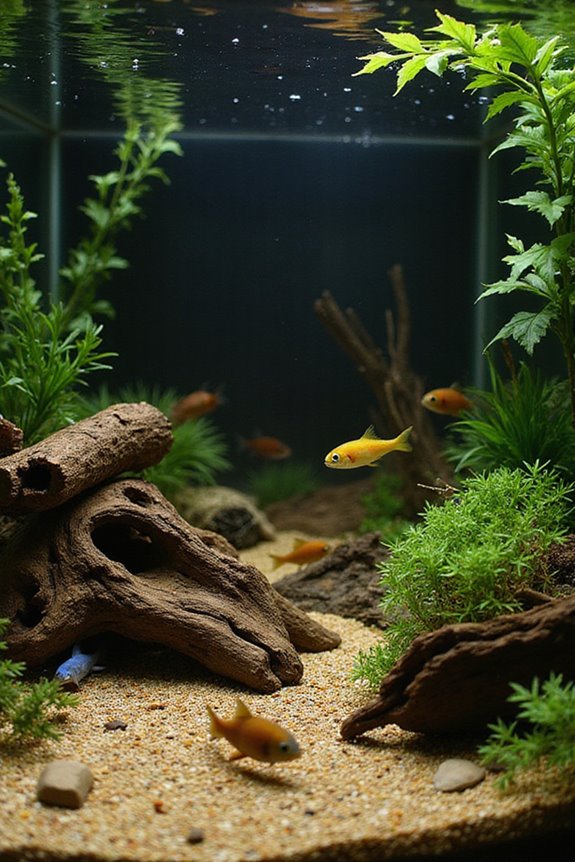
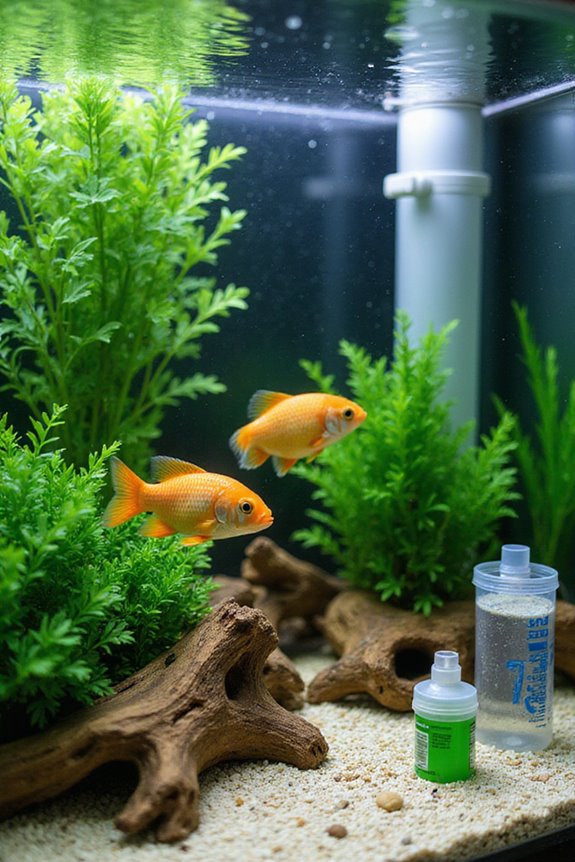
Natural tannins play a significant role in creating a balanced environment for fish that thrive in lower pH conditions. I often turn to various tannin sources, like Indian Almond Leaves and Alder cones, which release beneficial tannins gradually. Driftwood also works well; I’ve seen it effectively lower pH over time by leaching tannins into the water. Additionally, using leaf litter from hardwood trees can enhance the tank’s natural look while contributing to pH reduction. Boiling these botanicals before adding them helps control the release of tannins, ensuring a steady decline in pH. Overall, utilizing these natural sources not only lowers pH but also provides ecological benefits, creating a healthier environment for my aquatic friends.
Recommended Products

VARIETY PACK: Collection includes one large lotus pod, one jungle pod (Sterculia), one bell cup, one mahogany pod, two pear pods, three mini lotus pods, five bakuli pods, and five casuarina pods perfect for terrarium and aquarium decoration

Naturally Adds Tannins and Humic Acid

Natural Water Conditioner: Alder cones are an excellent natural way to lower the pH level in your freshwater aquarium, providing optimal conditions for fish, shrimp, and other aquatic animals.
Water Modification Techniques
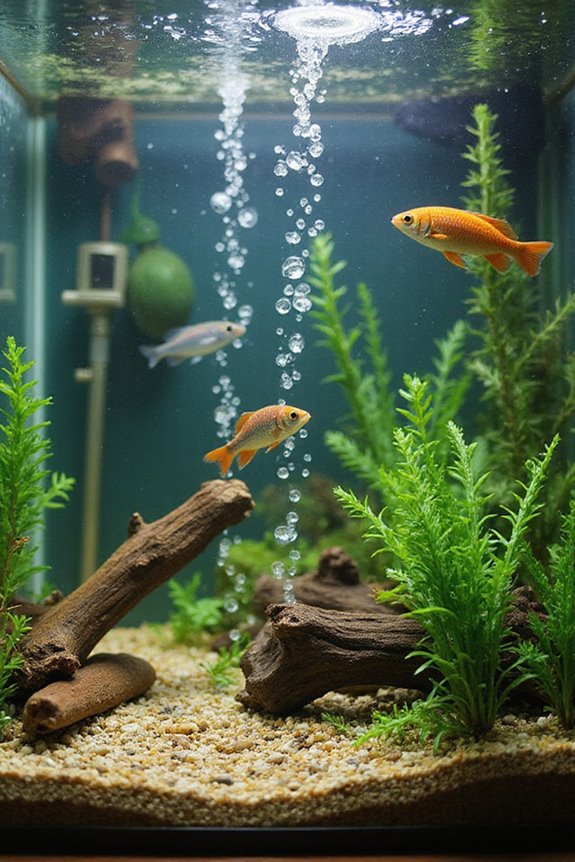
When you’re aiming to lower the pH in your fish tank, various water modification techniques can be effective. Using Reverse Osmosis (RO) or Deionized (DI) water is a great start, as it creates water close to neutral pH. I often mix this with tap water to achieve the desired pH stability. Regular water changes with lower pH sources, like soft or RO water, also help gradually reduce acidity. Additionally, adding CO2 through a carbon dioxide injection system can lower pH without affecting alkalinity much. Finally, peat filtration in your aquarium filter releases organic acids that can gently lower pH. Always remember to monitor the pH closely after any adjustments to avoid stressing your fish.
Recommended Products
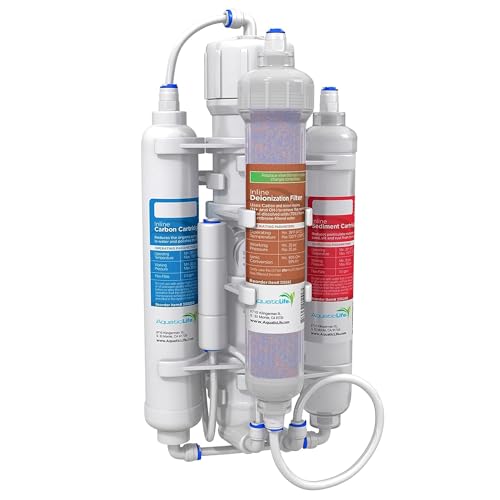
CLEAN, FILTERED WATER FOR AQUARIUMS: The Aquatic Life RO Buddie 4-Stage RO/DI water filter system for aquarium uses reverse osmosis to remove debris from tap water to give you clean water for your fish tanks, humidifiers, fountains, and more.

MATERIAL RELIABILITY: MS Reverse Osmosis (RO) membranes are made from 100% food-grade Thin Film Composite (TFC) material for ultimate purification performance with high permeate flow, tested by an independent third-party to meet NSF/ANSI 58 standards.

Most Impurities Reduction: Embark on a journey through thorough water refinement. The RO de-ionization Water Filter System addresses a diverse spectrum of over 1,000 water pollutants, including prominent culprits like lead (with an exceptional 98% removal rate), chlorine, fluoride, and an array of contaminants. Its effectiveness extends to achieving water purity by completely eliminating dissolved solids (TDS), revolutionizing industries with an unwavering stance against impurities.
Substrate and Decor Influence on Ph
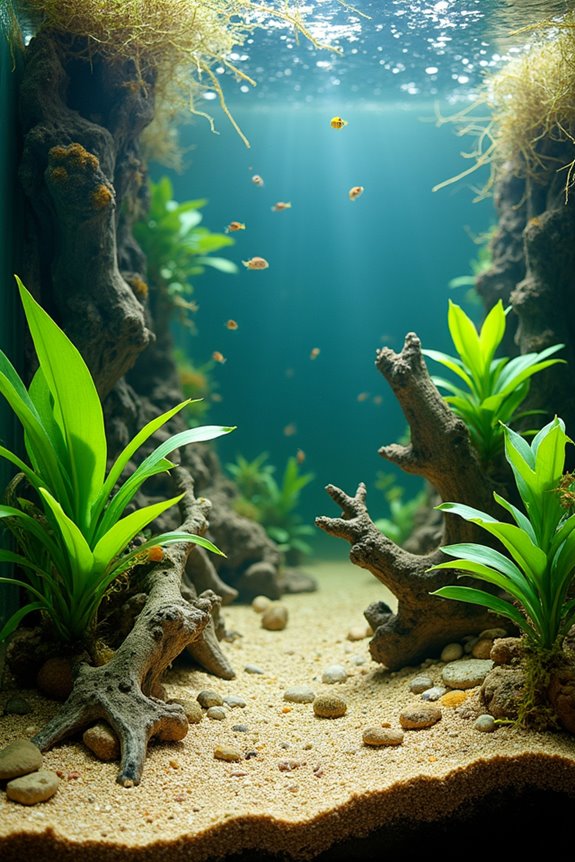
The choice of substrate and decor in your fish tank can considerably influence pH levels, impacting the overall health of your aquatic environment. Substrate types like crushed coral or limestone can raise pH, while softwater substrates, such as aquasoils, tend to lower it. If you’re aiming to reduce pH, consider using driftwood or peat moss, both of which release tannins that acidify the water. When selecting decor, prioritize natural driftwood over alkaline rock types. Regularly test your water for pH changes, especially when using these substrates or decor. Start with small amounts of peat in mesh bags for effective pH adjustment, and observe your fish for signs of stress to maintain a stable aquatic environment.
Recommended Products
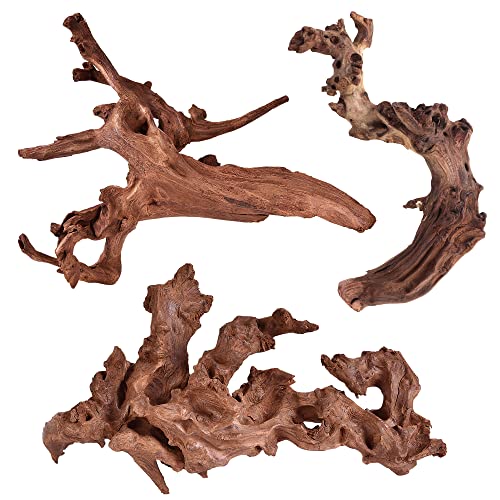
【NATURAL DRIFTWOOD】 --- Each piece of driftwood has a distinctive shape and looks different from various angles. Each piecec is unique.the pictures shown are only some of the driftwoods, what your get may be different from pictures show.

6 Unique Natural Pieces: Each box includes 6 hand-selected driftwood pieces (4–6 inches 4pcs, 3–4 inches 2pcs), each with a unique texture and organic shape. No duplicates—just raw, natural beauty for your aquarium or home

package include 4 pieces small driftwood for aquarium, each one is carefull selected, size is about 4-6inch
Carbon Dioxide (CO2) Injection
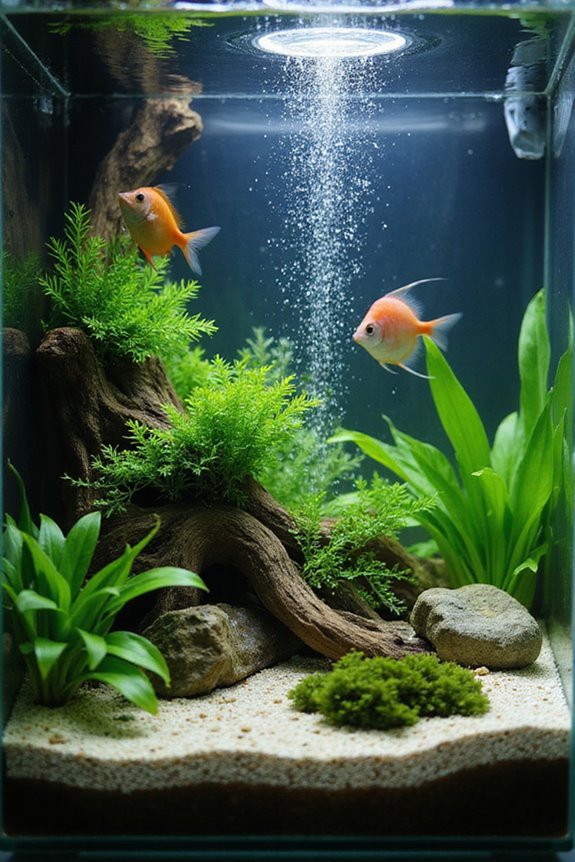
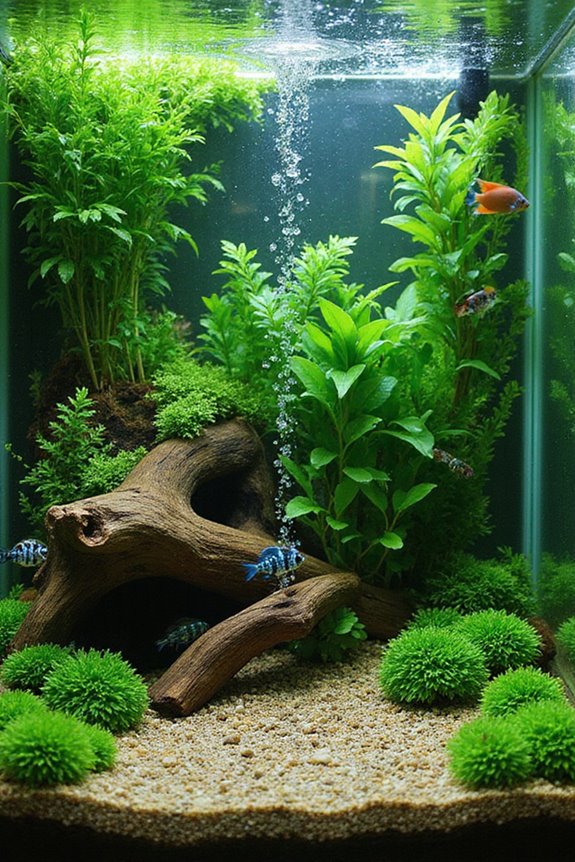
Carbon dioxide (CO2) injection can greatly benefit your aquarium by helping to lower pH levels and promoting healthy plant growth. When CO2 dissolves in water, it forms carbonic acid, which reduces pH. For effective pH control, aim for around 30 ppm of injected CO2 to achieve a 1 pH unit drop. I recommend using a drop checker to monitor CO2 saturation and pH level. Start your CO2 injection a couple of hours before the lights turn on to provide stability during photosynthesis. It’s important to modify CO2 levels gradually to avoid stressing your fish. Regular water changes help balance carbonate hardness, and quality CO2 diffusers guarantee efficient dissolution. Keep an eye on your fish for any distress as you fine-tune your setup.
Recommended Products
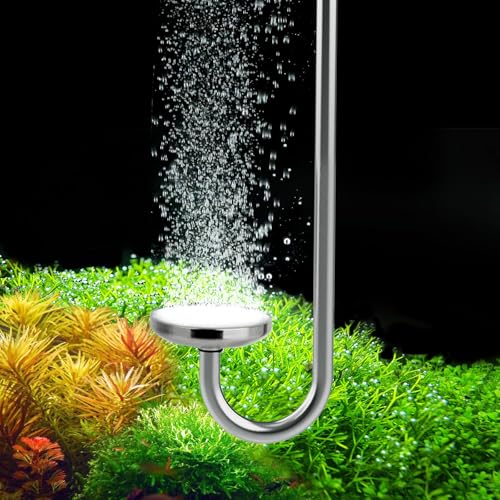
【High quality】This product is made of stainless steel, which is not easy to bend or deform, rust or corrode, or be damaged, making it more durable than a glass diffuser. In addition, the air inlet adopts a conical structure, which is convenient for connecting the air pipe.

The customized ceramic from South Korea used in Fzone co2 diffuser features microscopically small holes resulting in very fine and thorough bubble diffusion.The co2 diffuser provides a high level of CO2 Saturation in your aquarium. The fine mist of Co2 will easily break down into your water colum and absorbed by aquatic plants.

The customized ceramic from South Korea used in Fzone co2 diffuser features microscopically small holes resulting in very fine and thorough bubble diffusion.The co2 diffuser provides a high level of CO2 Saturation in your aquarium. The fine mist of Co2 will easily break down into your water colum and absorbed by aquatic plants.
Filter Media Adjustments
Filter media adjustments play a crucial role in effectively managing pH levels in your aquarium. One of the best options is peat moss, which releases tannic acid and helps lower pH and carbonate hardness. You can use peat in mesh bags within your filter for consistent results. Driftwood, like Manzanita or Mopani, also releases tannins to gradually lower pH without stressing your fish. If you prefer botanical media, Indian almond leaves and alder cones can be added to your filter for continuous pH-lowering benefits. For precise control, consider using reverse osmosis (RO) water, mixed with filter media like peat. This combo enhances pH stability, ensuring a healthy environment for your aquatic life.
Recommended Products

Versatile Compatibility: Fits medium/large filter media, especially pelleted activated carbon, peat fiber, and resins. Suitable for sumps, canister filters, and power filters in both freshwater and saltwater aquariums.

2 Layers for Crystal Clear Water – Dual-density pad traps both large debris and fine particles, polishing your aquarium water to professional-grade clarity.

Efficient Filtration: The high-density and unique structure of the sponge provide exceptional mechanical filtration. It effectively captures and removes impurities, suspended particles, and waste from the water, maintaining a clear and stable aquatic environment for the well-being of your aquatic organisms.
Environmental and Maintenance Practices
Maintaining stable pH levels in your aquarium requires consistent environmental and maintenance practices. Regular aquarium cleaning is essential; I perform partial water changes every two weeks to remove excess alkalinity and dissolved solids. This helps prevent pH spikes. I also focus on waste management by avoiding overfeeding, which can lead to decomposing matter that raises pH levels. Keeping the substrate clean and removing detritus minimizes bacterial breakdown, further stabilizing pH. Additionally, I guarantee balanced aeration, as excessive aeration can increase pH by expelling carbon dioxide. Incorporating live plants can also help, as they produce CO2 through respiration, naturally modulating pH. These practices create a healthier environment for my fish and maintain a stable ecosystem.
Monitoring and Adjusting Ph Levels
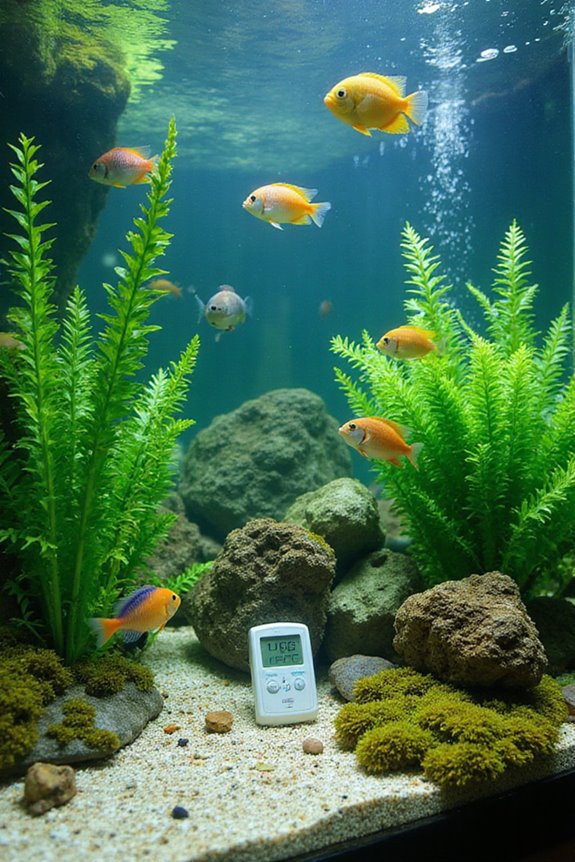
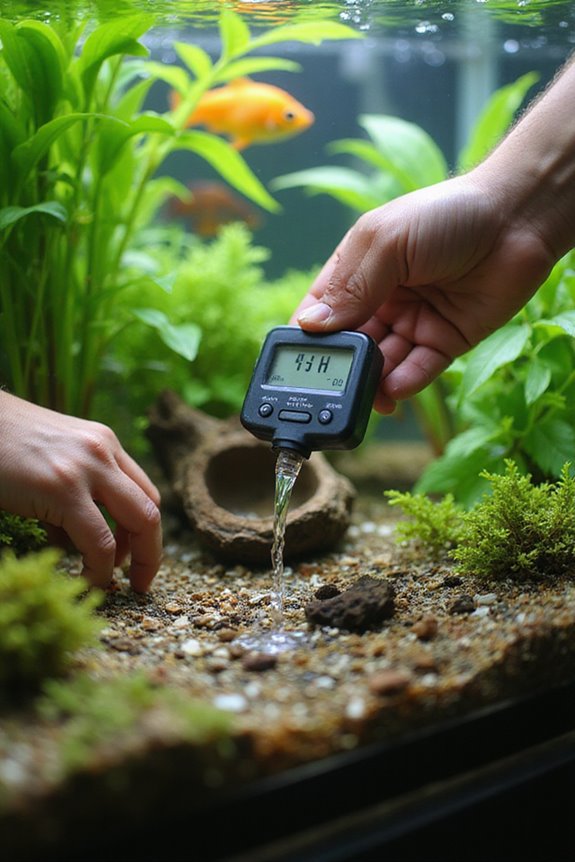
Monitoring pH levels in your aquarium is essential for the health of your fish and plants. I recommend using electronic pH meters for the most accurate readings, but remember to perform regular pH calibration with standard buffer solutions to guarantee accuracy. Alternatively, drop-based test kits offer reliable and affordable pH testing by comparing color changes against a chart. For quick checks, test strips can be useful, but they lack precision. I suggest testing at least once weekly and more frequently before adding new species or altering water conditions. Always collect water samples in clean containers and follow the instructions precisely to avoid contamination. By consistently tracking pH, you can maintain a stable environment for your aquatic life.
Frequently Asked Questions
Can I Use Vinegar to Lower Ph in My Fish Tank?
I’ve used vinegar to lower pH in my fish tank, appreciating its benefits for temporary acidity effects. Just remember, it’s essential to monitor closely to avoid stressing your fish with sudden changes.
How Quickly Should I Expect Ph Changes After Adding Treatments?
When I add treatments, I always wonder about the pH adjustment timeline. I’ve learned that changes can be quick, but treatment effectiveness varies—sometimes it takes days for stable results. Patience is key!
Is It Safe to Mix Different Ph-Lowering Methods?
I find mixing different pH-lowering methods can be risky. It’s essential to monitor pH stability and understand chemical interactions. Gradual changes are best to avoid stressing fish or causing unpredictable shifts in water parameters.
What Fish Species Prefer Lower Ph Levels?
When considering species preferences for lower pH levels, I find that fish like Apistogramma, Rasboras, and Neon Tetras thrive in ideal environments with soft, acidic water, making them perfect for specific aquarium setups I enjoy.
How Often Should I Test My Tank’s Ph?
I recommend testing your tank’s pH weekly for stability. If it’s new, daily tests are essential until it cycles. Monitoring frequency can reduce as conditions stabilize, but always stay vigilant for any sudden changes!