As an Amazon Associate, we earn from qualifying purchases. Some links on this site are affiliate links at no extra cost to you. Our recommendations are based on thorough research and editorial judgment.

How to Say Fish in Spanish: Translation Guide

To say “fish” in Spanish, I use “pez” for a live fish and “pescado” for fish that’s been caught and is ready for cooking. Knowing these terms helps me fish more effectively. For instance, “pez” reflects behavior underwater, which is essential for choosing bait, while “pescado” requires freshness checks, like bright eyes and shiny scales. This vocabulary also extends to common species names and fishing gear terms. If you want to enhance your fishing vocabulary further, there’s much more to explore.
Key Takeaways
- “Fish” translates to “pez” when referring to live fish and “pescado” for fish ready for consumption.
- The plural of “pez” is “peces,” while “pescado” becomes “pescados” in culinary contexts.
- Common fish species in Spanish include “el bacalao” (cod), “el atún” (tuna), and “la trucha” (trout).
- Verbs related to fishing include “ir de pesca” (go fishing) and “atrapar” (catch).
- Engage with fishing vocabulary through games, shows, and culinary exploration to enhance learning.
The Difference Between “Pez” and “Pescado”
You may be interested
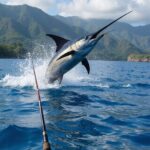

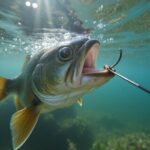
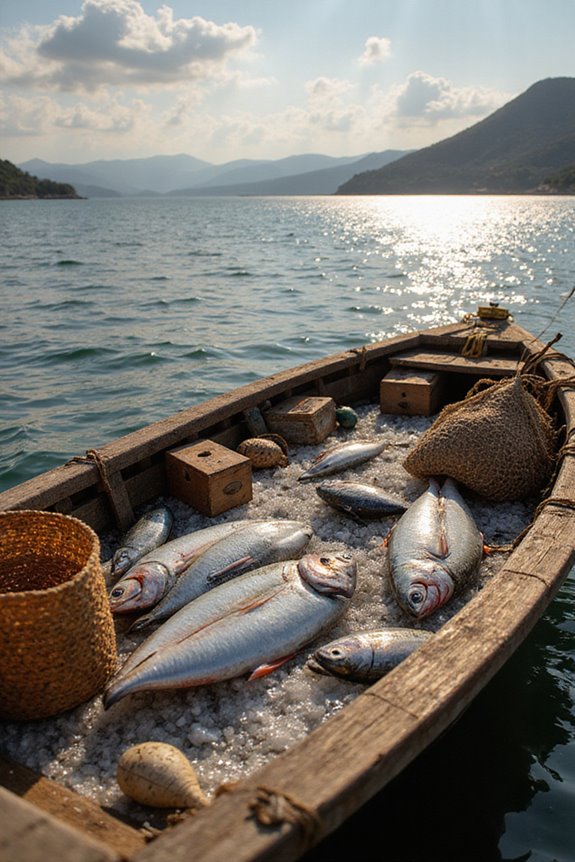
Understanding the difference between “pez” and “pescado” is essential for anyone interested in fishing or cooking fish. “Pez” refers to a live fish swimming in its natural habitat, such as rivers or lakes, while “pescado” is the term used for fish that have been caught and are ready for consumption. When I observe pez behavior, I notice how they react to their surroundings, which helps me choose the right bait and fishing technique. For successful pescado preparation, selecting the freshest catch is key; I often look for bright eyes and shiny scales. After catching, I immediately clean and store the pescado properly for ideal flavor. Having a quality saltwater fishing reel with adequate drag performance can make the difference between catching impressive pescado or losing the fish during the fight. This distinction between pez and pescado enhances both my fishing experience and culinary skills.
Understanding Fish Vocabulary in Spanish
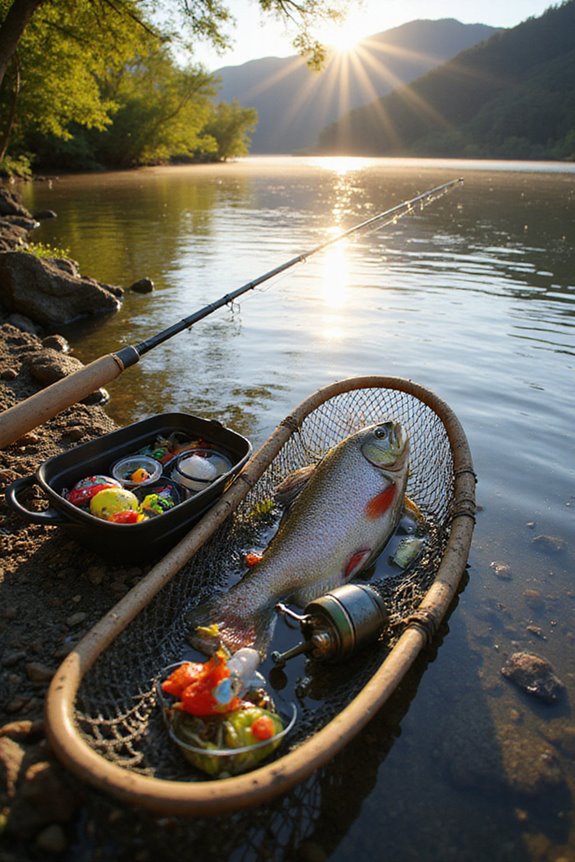
When it comes to fishing, knowing the right vocabulary can greatly enhance your experience on the water. Understanding fish habitats is essential for successful fishing. For instance, you’ll often find *la trucha* in freshwater streams, while *el atún* prefers deeper ocean waters. Familiarizing yourself with fishing techniques, like using a fly rod for *la trucha* or trolling for *el pez espada*, can improve your catch rates. Additionally, knowing the terms for various fish, like *el bacalao* or *el mero*, helps in identifying your target species. Remember to explore local marine environments where *los mariscos*, including *la gamba* and *el pulpo*, thrive. This knowledge not only aids in targeting specific fish but enriches your overall fishing adventure. During winter ice fishing expeditions, having a reliable ice fishing sled with high weight capacity between 250-450 pounds ensures you can transport all your essential fishing gear efficiently.
Plural Forms of Fish in Spanish
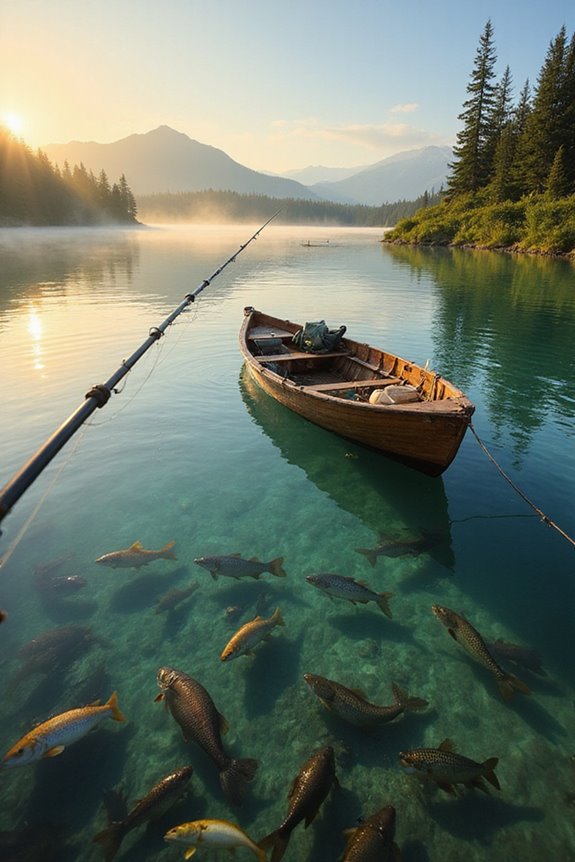
To effectively communicate about fishing, it’s essential to know how to properly use plural forms of fish in Spanish. When referring to live fish, the singular form is el pez, and its pluralization rules dictate that it becomes peces. This change occurs because nouns ending in -z switch the z to c and add -es. In culinary contexts, we use pescado for fish as food, with its plural being pescados. Understanding context usage is vital; peces refers to the biological aspect, while pescados refers to culinary applications. If you enjoy fishing with baitcasting reels, you’ll find that knowing these Spanish terms enhances communication when fishing internationally. By mastering these distinctions, you’ll enhance your fluency in discussing fishing, whether it’s in the water or at the market, providing clarity in conversations.
Common Fish Species Names in Spanish
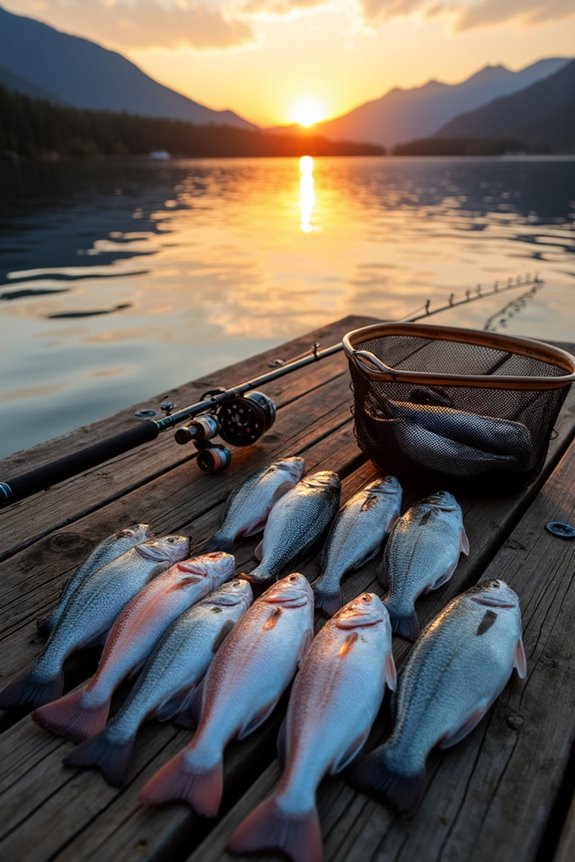
Knowing common fish species names in Spanish can enhance your conversations about fishing and seafood. For example, if you’re discussing your catch, you might mention “el salmón” for salmon or “el bacalao” for cod. In saltwater fishing, you could refer to “el atún” for tuna or “el pez espada” for swordfish. When shopping at a local market, knowing terms like “el bagre” for catfish and “la merluza” for hake can help you make informed choices. However, translation challenges can arise with regional differences, such as “el pargo” for red snapper. Familiarizing yourself with these common fish species names guarantees clearer communication in various contexts, enhancing your overall experience in fishing and seafood discussions.
Recommended Products

Fully Updated for 2026 Regulations: This new edition integrates the 2026 Fishing Regulation Updates, including current seasons and size limits for Gag Grouper, Red Snapper, and the April 1st Lane Snapper changes. No more checking websites while on the water—everything you need is right at your fingertips

Comprehensive Fish Information: Includes size, weight, location, food quality, and coloring details for accurate species identification

Fishing Guide for Anglers – A must for avid fishermen in Florida. This fish chart features more than 90 fish and shark’s native to Atlantic waters and boasts rules, regulations, limits, and sizes to ensure a fun and legal catch.
Verbs Related to Fishing
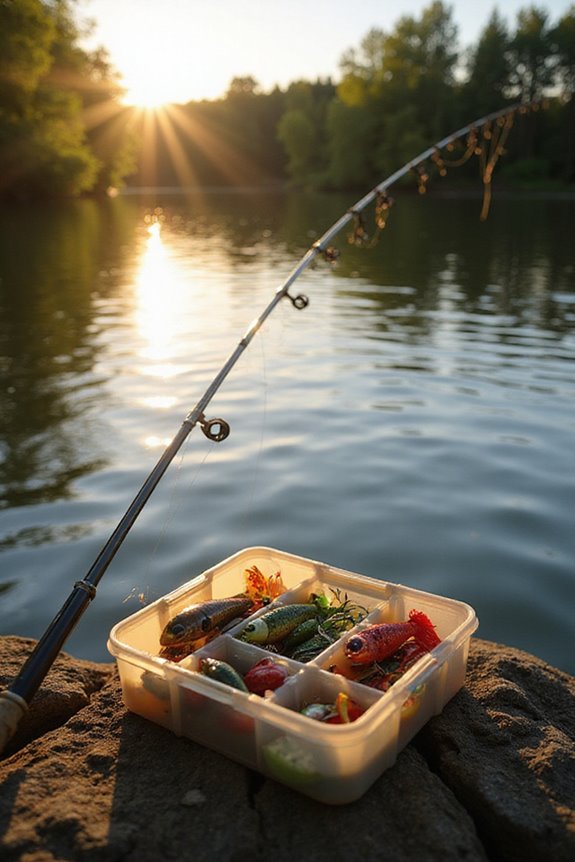
Fishing involves a variety of actions that are essential for a successful experience on the water. First, I always make sure to preparar el equipo de pesca before heading out. When I arrive at my spot, I might ir de pesca with a specific pesca con cebo vivo technique. As I lanzar my line, I keep an eye on the flotador for any bites. When I catch a fish, I’ll atrapar it carefully and then liberar it if I’m practicing catch-and-release. Safety is vital, so I never forget to ponerse el chaleco salvavidas. Understanding these verbs helps me communicate better and enhances my experience, whether I’m using pesca de fondo or other fishing techniques.
Recommended Products
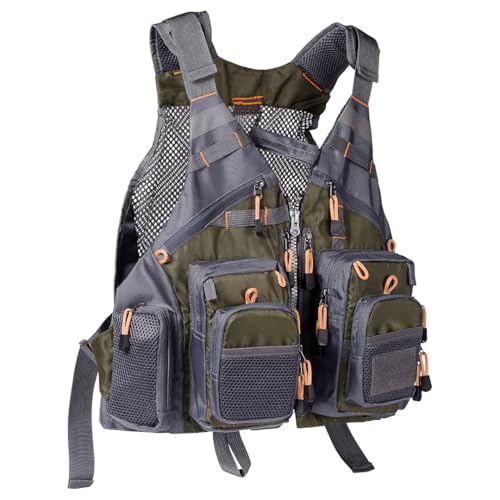
Adjustable suspension system – adjustable shoulder and waist straps, allows custom fit

Multiple Pockets: Eighteen pockets in total, fourteen zipper pockets and four mesh pockets, conveniently hold fishing lines, fishing lure kit and other fishing tools

★Inflatable life jacket adult details★ Manual 609, Color: White camouflage,Weight: About 0.7kg, Package Includes: whistle,33g of Carbon Dioxide Cylinder. HWAYAN Inflatable Life Jacket– Designed for comfort with a lightweight. Fits for the weight 105 to 330 lbs(48kg to 149kg) with chest sizes ranging from 35.8 to 62 inches(91cm to 157cm) adult.
Culinary Context of “Pescado”
The culinary context of “pescado” is rich and varied, showcasing how fish becomes a central ingredient in many Spanish dishes. In Spain, culinary traditions emphasize fresh, local catches, making fish recipes an essential part of coastal cuisine. Dishes like Bacalao a la Vizcaina and Marmitako highlight the regional preferences and cooking styles. Typically, fish is cleaned, deboned, and cut into fillets, then seasoned with ingredients such as garlic and olive oil. Whole roasted fish, known as “pescado al horno,” is popular across regions, often stuffed with herbs. The preparation methods vary, but the focus remains on enhancing the fish’s natural flavors. Overall, “pescado” embodies the essence of Spanish seafood culture, deeply rooted in tradition and regional diversity.
Recommended Products


Fishing Phrases to Know
When you’re out on the water, having a solid grasp of fundamental fishing phrases in Spanish can enhance your experience greatly. Knowing how to say *ir de pesca* (go fishing) or *pesca de fondo* (bottom fishing) helps you communicate effectively. If you’re using a *caña de pescar* (fishing rod) or *red de pesca* (fishing net), it’s essential to discuss fishing etiquette, ensuring everyone respects the space and rights of fellow anglers. Understanding terms like *cebo* (bait) and *anzuelo* (hook) is important for using the right equipment. Additionally, being aware of fishing conservation practices, such as catch and release, is crucial for preserving our aquatic ecosystems. These phrases will make your fishing trips more enjoyable and productive.
Recommended Products


Gender and Articles With Fish Nouns
Understanding the gender of fish nouns in Spanish is vital for effective communication, especially when discussing your catches or favorite fishing spots. Spanish fish nouns are classified as masculine or feminine. Generally, nouns ending in -o are masculine, like “el pez,” while those ending in -a are feminine, such as “la anguila.” However, there are gender exceptions to remember, like “águila,” which is masculine in singular but feminine in plural. It’s important to guarantee article agreement, using “el” or “los” for masculine nouns and “la” or “las” for feminine ones. For instance, “el atún” and “la trucha” demonstrate this rule clearly. Mastering these details will enhance your fishing conversations in Spanish.
Regional Variations in Fish Terminology
Fish terminology varies greatly across Spanish-speaking regions, which can affect how we talk about our catches. In the Canary Islands, for example, the term “rape” refers to monkfish, highlighting local adaptations. Southeastern Spain often uses “dorada” and “corvina,” especially in popular dishes like ceviche. Meanwhile, Atlantic areas might prefer “merluza” or “besugo,” reflecting the colder waters’ species. In Latin America, “llampuga” is common for mahi-mahi, showcasing regional fish names that vary culturally. The distinction between “pez” as a live fish and “pescado” for caught fish is critical too. These regional fish and culinary terms can enrich our conversations and understanding of local fishing practices, enhancing our overall experience in the water.
Tips for Learning Fish Vocabulary in Spanish
Building a strong vocabulary in Spanish related to fish can greatly enhance your fishing experience. Start by learning basic nouns like *pez* (fish) and *pescado* (fish as food). Expand this with terms for fishing gear, such as *caña de pescar* (fishing rod) and *anzuelo* (hook). Engage in vocabulary games to make learning enjoyable, and practice fishing idioms that are common in Spanish-speaking cultures. Grouping vocabulary into categories, like species or culinary terms, helps retention. I recommend using flashcards and listening to Spanish fishing shows for practical application. Simulating fishing scenarios can also improve your conversational skills. By immersing yourself in the language, you’ll find your confidence growing with every new term learned.
Recommended Products

500+ ESSENTIAL SPANISH FLASH CARDS IN ONE SET: This Master Spanish 500+ card set includes with 150 regular verbs, 100 irregular verbs, 50 reflexive verbs, 100 house items and common nouns, 50 adjectives, 50 phrases, and practice cards — giving you a, all-in-one Spanish learning system with these spanish flashcards.

Spanish and English Learning Toy: This educational tool helps children learn two languages simultaneously, fostering their appreciation for diverse cultures, creating a fun and relaxed language learning environment, and boosting their interest in learning

Designed by Spanish Teachers - With years of teaching experience, we have carefully selected 1000 essential Words for Spanish beginners, making it easy for them to start their learning journey. This set of flashcards is simple and fun, helping beginners develop a positive attitude toward Spanish and boosting their confidence in learning.
Frequently Asked Questions
How Do You Pronounce “Pez” and “Pescado” in Spanish?
I’ve found pronunciation tips really helpful for “pez” and “pescado.” For “pez,” it’s /pes/, while “pescado” breaks down to /pesˈka.ðo/. Listening to native speakers makes mastering these phonetic nuances easier!
What Are Some Idiomatic Expressions Related to Fish in Spanish?
I’ve always found Spanish fish idioms fascinating, especially how they intertwine with fishing superstitions. For example, expressions about expensive fish highlight life’s complexities, reminding us to navigate carefully, just like a seasoned fisherman.
Are There Any Slang Terms for Fish in Spanish-Speaking Countries?
When I plunge into Spanish, I’m often mesmerized by the colorful slang terms for fish. From “mojarra” in Mexico to unique regional variations, each term feels like a hidden treasure waiting to be discovered.
How Is Fish Commonly Prepared in Spanish Cuisine?
In Spanish cuisine, I love the variety! Grilled fish is often smoky and flavorful, while ceviche variations burst with fresh ingredients. Both showcase the vibrant flavors and culinary traditions that make this cuisine so special.
What Fishing Methods Are Popular in Spanish-Speaking Regions?
When I think of fishing in Spanish-speaking regions, I picture vibrant traditions. From the almadraba’s intricate traps to the delicate anzuelo lines, these catching techniques weave a rich tapestry of sustainable fishing practices that honor the sea’s bounty.